Fire Safety Requirements for Industry in India
Industrial facilities handle machinery, electrical systems, chemicals, fuels, raw materials, and other materials that can increase the risk of fire. A small fire can quickly become a major incident if proper safety systems are not installed and maintained. This is why understanding and following Fire Safety Requirements is important for every industry in India.
Fire safety is not only about installing fire extinguishers. It includes fire prevention, early detection, firefighting systems, emergency exits, employee training, regular inspections, and proper maintenance. Industries must also follow applicable national, state, local, and industry-specific safety requirements.
For professional fire safety solutions, industries can work with experienced companies such as Elixir Engineering, which provides fire safety and fire protection system solutions for industrial and commercial facilities.
What Is Fire and Safety?
Before understanding industrial fire safety, it is important to know what is fire and safety.
Fire is a chemical reaction that occurs when heat, fuel, and oxygen are present in the right conditions. Industrial environments may contain many potential fuel sources, including paper, packaging, oil, gas, chemicals, plastics, wood, and other combustible materials.
Fire safety means taking planned steps to prevent fires, detect them early, control their spread, and protect people and property during an emergency.
A good industrial fire safety program focuses on four key areas:
- Preventing fire hazards
- Detecting fire at an early stage
- Controlling and extinguishing fire
- Safely evacuating employees and visitors
Why Is Fire Safety Important in Industry?
Industrial fires can cause serious damage within a short period. Apart from property damage, a fire can result in injuries, loss of life, equipment failure, production downtime, environmental damage, and financial losses.
Strong fire safety in industry helps reduce these risks.
Some important benefits include:
Protecting Employees and Visitors
The first priority of any industrial fire safety plan should be the safety of people. Proper alarms, emergency exits, evacuation plans, and firefighting systems help employees respond quickly during a fire.
Reducing Property Damage
Early detection and suitable firefighting systems can help control a fire before it spreads to other areas of a facility.
Preventing Production Loss
A major fire can stop production for days, weeks, or even longer. Effective fire protection can reduce the possibility and impact of such interruptions.
Supporting Legal Compliance
Industries need to comply with applicable fire safety rules, building requirements, local fire department requirements, and other regulations relevant to their location and operations.
Improving Workplace Safety
Regular fire inspections and employee training create a stronger safety culture and help workers understand how to respond during emergencies.
Key Fire Safety Requirements for Industries in India
The exact requirements can vary depending on the type, size, location, occupancy, processes, and hazards of an industrial facility. However, several important areas should be considered.
1. Fire Risk Assessment
A proper fire risk assessment is one of the first steps toward improving industrial safety.
The assessment should identify possible sources of ignition, combustible materials, electrical risks, chemical hazards, storage risks, emergency access issues, and areas where fire could spread quickly.
The findings can then be used to select suitable prevention and protection measures.
2. Fire Detection and Alarm Systems
A fire should be detected as early as possible. Industrial facilities may require suitable fire detection systems based on their risks and building layout.
Depending on the facility, systems can include:
- Smoke detectors
- Heat detectors
- Flame detectors
- Manual call points
- Fire alarm panels
- Audible alarms
- Visual alarm indicators
- Addressable fire alarm systems
Early warning gives employees more time to evacuate and allows firefighting measures to begin quickly.
3. Fire Extinguishers
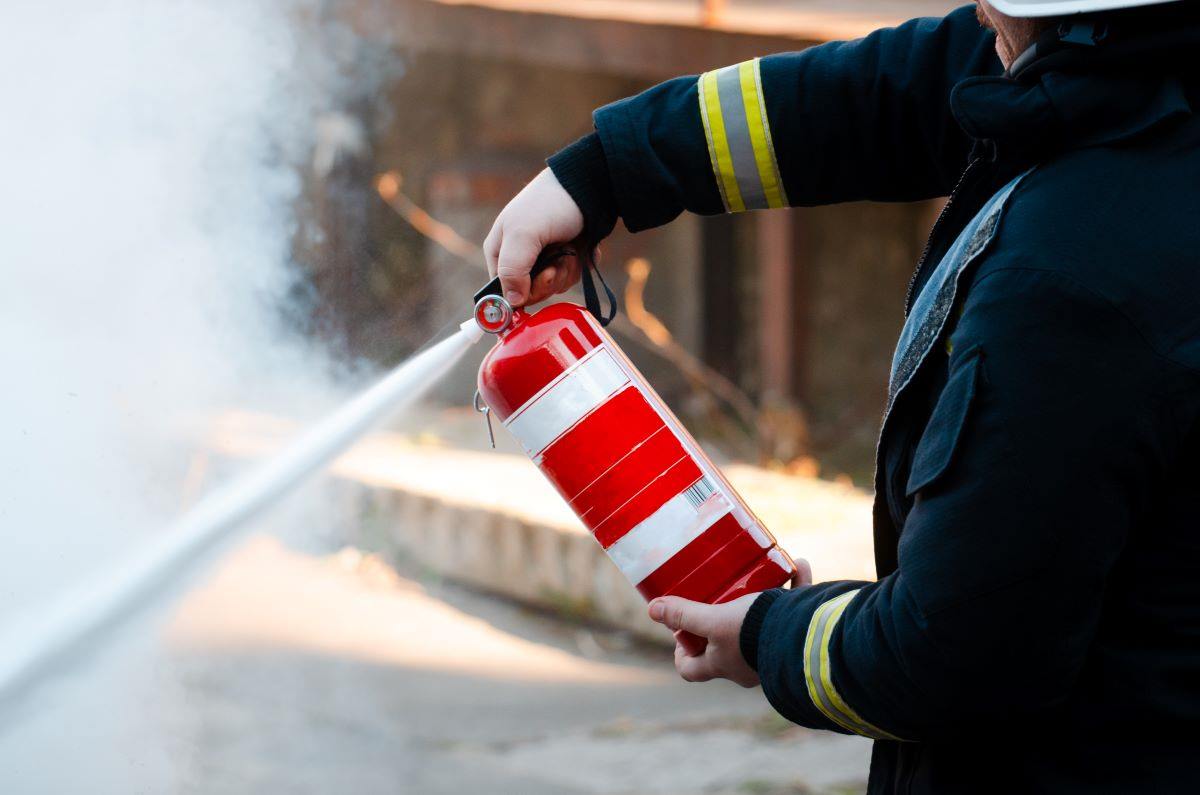
Portable fire extinguishers are an important part of industrial fire protection. However, the extinguisher type should match the potential class of fire.
Common types include extinguishers designed for risks involving:
- Ordinary combustible materials
- Flammable liquids
- Flammable gases
- Electrical equipment
- Certain specialized industrial hazards
Extinguishers should be placed in accessible locations, clearly identified, inspected regularly, and maintained according to applicable requirements.
4. Fire Hydrant Systems
Large industrial facilities may require a fire hydrant system for supplying water to firefighting points throughout the premises.
A typical system may include:
- Fire water storage tanks
- Fire pumps
- Hydrant valves
- Fire hoses
- Hose reels
- Hydrant piping
- Fire brigade connections
The design should consider the size and layout of the facility, fire risk, water demand, and applicable standards.
5. Automatic Fire Sprinkler Systems
Automatic sprinklers can provide an important layer of protection in areas where fire may develop and spread rapidly.
A sprinkler system is designed to release water when the temperature around an individual sprinkler reaches its operating point. Properly designed systems can help control a fire during its early stages.
Sprinkler requirements depend on the building type, occupancy, storage arrangement, fire load, and other risk factors.
6. Fire Pump and Water Storage Arrangement
Fire protection systems that depend on water require a reliable water supply.
Industrial facilities may need suitable fire water storage and pumping arrangements based on the required firefighting demand.
Regular testing is important because a fire protection system is useful only when it operates properly during an emergency.
7. Emergency Exits and Evacuation Routes
Employees must have safe ways to leave the building during a fire.
Industrial premises should maintain suitable emergency exits, escape routes, stairways, and exit signage. These routes should remain clear and accessible.
Emergency lighting can also help people find their way when normal electrical power is unavailable.
8. Electrical Fire Safety
Electrical faults are a common concern in industrial environments. Overloaded circuits, damaged cables, poor connections, faulty equipment, and improper electrical installations can create fire risks.
Industries should regularly inspect electrical systems and address identified faults without delay.
Good housekeeping around electrical panels and equipment is also important. Combustible materials should not be unnecessarily stored near electrical installations.
9. Safe Storage of Flammable Materials
Industries that use fuels, solvents, gases, chemicals, oils, or other flammable substances need additional precautions.
Storage areas should be properly planned, clearly identified, and managed according to the hazards involved. Ignition sources should be controlled, and suitable firefighting arrangements should be provided.
Chemical compatibility and storage requirements should also be considered where applicable.
10. Fire Safety Training for Employees
Even the best fire protection system cannot replace trained employees.
Workers should understand:
- How to raise a fire alarm
- How to report an emergency
- Where emergency exits are located
- Where assembly points are located
- How to use a fire extinguisher when appropriate
- What to do during evacuation
- How to respond to different workplace fire hazards
Regular fire drills can help employees become familiar with emergency procedures.
11. Regular Inspection and Maintenance
Installing fire safety equipment is only the beginning. Regular inspection, testing, and maintenance are essential.
Fire alarms, detectors, hydrants, pumps, sprinklers, extinguishers, emergency lighting, and other systems should be checked according to their applicable requirements and manufacturer recommendations.
Maintenance records should also be properly documented.
12. Fire Safety Signage
Clear signs can help employees and visitors quickly identify emergency exits, fire equipment, assembly points, hazardous areas, and evacuation routes.
Signs should be visible, understandable, and appropriately positioned throughout the facility.
Understanding Fire Safety Standards and Compliance
Fire safety requirements in India can involve several layers of regulations and standards. The National Building Code of India, relevant Indian Standards, state fire service requirements, local authority requirements, and industry-specific regulations may apply depending on the facility.
For this reason, industries should not rely on a one-size-fits-all checklist.
A professional assessment can help determine which systems and safety measures are appropriate for a particular industrial premises.
How Elixir Engineering Can Help
Choosing the right fire protection systems requires an understanding of the building, operations, fire hazards, occupancy, and applicable requirements.
Elixir Engineering provides fire safety and fire protection solutions designed to help businesses improve safety and protect their facilities. From fire detection and alarm systems to firefighting solutions, professional planning and installation can help industries build a more reliable fire protection strategy.
You can learn more about Elixir Engineering and its fire safety solutions at https://www.elixirengg.com/.
Create a Strong Fire Safety Plan for Your Industry
Industrial fire safety should be treated as an ongoing responsibility rather than a one-time installation project. Businesses should regularly review fire risks, maintain equipment, train employees, conduct drills, and update emergency procedures when operations or building conditions change.
The right combination of fire prevention, detection, suppression, evacuation, training, inspection, and maintenance can significantly improve workplace safety.
If you are planning a new industrial facility or upgrading an existing fire protection system, start with a professional fire risk assessment. It can help identify the most important risks and determine which Fire Safety Requirements apply to your facility.
Frequently Asked Questions
1. What are the basic fire safety requirements for an industry?
Basic requirements may include fire risk assessment, fire detection and alarm systems, suitable fire extinguishers, emergency exits, firefighting systems, fire water arrangements, safety signage, employee training, emergency plans, and regular inspection and maintenance.
2. Why is fire safety important in industry?
Fire safety helps protect employees, visitors, buildings, machinery, raw materials, and production operations. It also helps businesses prepare for emergencies and comply with applicable safety requirements.
3. What is fire and safety?
Fire and safety refers to measures used to prevent fires, detect them early, control or extinguish them, and safely evacuate people during an emergency.
4. Does every industry need a fire alarm system?
Fire alarm requirements depend on factors such as building type, occupancy, size, fire risk, processes, and applicable regulations. A professional assessment can help determine the appropriate system.
5. How often should industrial fire safety systems be checked?
Fire safety systems should be inspected, tested, and maintained at appropriate intervals based on applicable standards, regulations, system type, and manufacturer recommendations.
6. Are fire extinguishers enough for industrial fire protection?
No. Fire extinguishers are only one part of a complete fire protection strategy. Depending on the risk, an industrial facility may also require fire alarms, hydrants, sprinklers, fire pumps, emergency exits, detection systems, training, and other safety measures.
7. How can industries improve fire safety?
Industries can improve fire safety by identifying hazards, maintaining electrical systems, storing flammable materials safely, installing suitable fire protection systems, keeping emergency routes clear, training employees, conducting fire drills, and regularly inspecting safety equipment.
8. Who can help with industrial fire safety systems?
A qualified fire safety and fire protection company can assess the facility, identify risks, recommend suitable systems, and support installation, testing, and maintenance. Elixir Engineering is one such provider offering fire safety solutions for industrial and commercial applications.