
IoT-Based Fire Alert Systems for Smarter Fire Safety Management
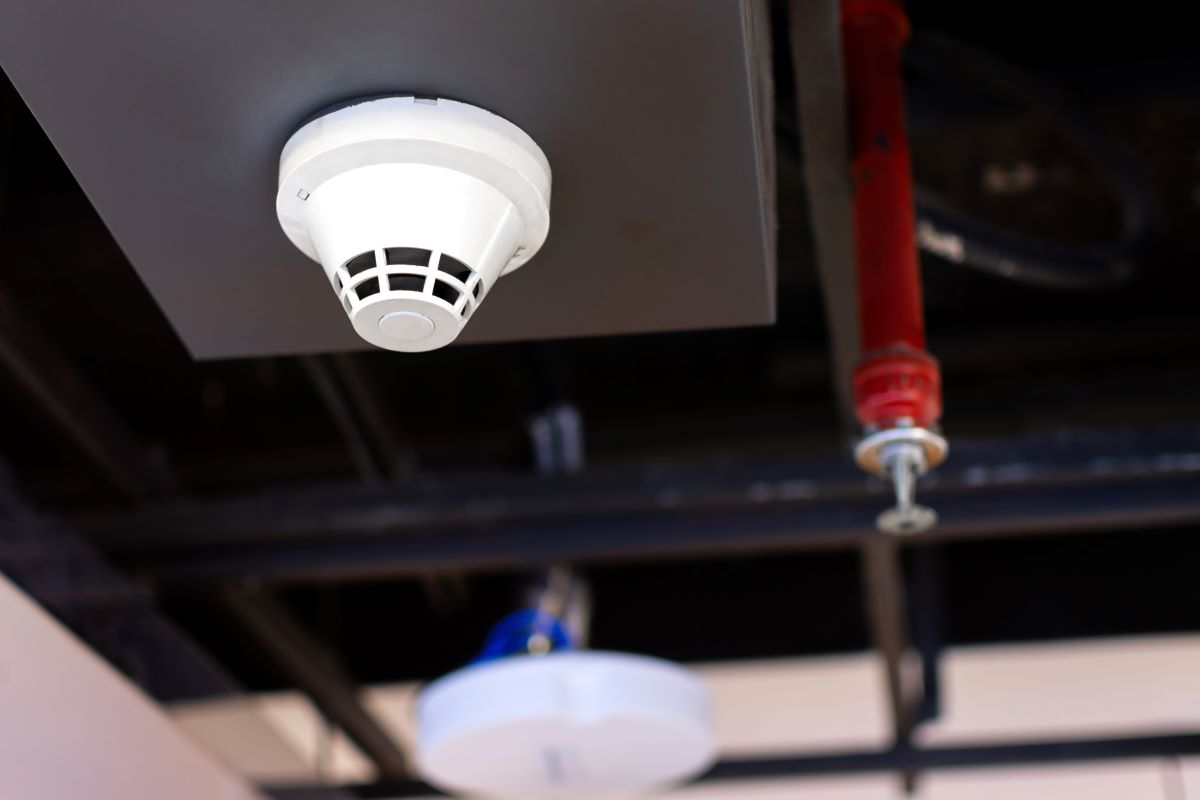
Fire safety is no longer only about installing alarms and fire extinguishers. Modern buildings need smarter systems that can detect danger quickly, send alerts immediately, and help safety teams respond before a small incident becomes a major fire.
An IoT-based Fire Alert System brings fire detection and smart technology together. By using connected sensors, monitoring devices, communication networks, and real-time alerts, these systems can provide faster information about potential fire hazards.
For commercial buildings, factories, warehouses, hospitals, residential complexes, offices, and other facilities, this technology can make fire safety management more proactive and organized.
What Is an IoT-Based Fire Alert System?
An IoT-based Fire Alert System is a smart fire safety solution that connects fire detection devices to a network. Traditional fire alarms mainly alert people inside a building through sirens, bells, or visual indicators. An IoT-enabled system can go further by transmitting important information to authorized users or monitoring teams.
Connected smoke detectors, heat sensors, flame detectors, and other devices can collect information continuously. When unusual conditions are detected, the system can generate an alert and send the information through a connected platform.
Depending on the system design, alerts may be available through monitoring dashboards, mobile devices, control rooms, or other communication channels.
This creates a more connected approach to fire safety where building managers can receive information quickly and take appropriate action.
Why Traditional Fire Safety Systems Need a Smarter Approach
Conventional fire alarm systems remain an important part of building safety. However, larger and more complex properties can have thousands of devices spread across different floors, rooms, buildings, or locations.
Monitoring all these devices manually can become difficult.
An IoT-based approach can help by providing:
- Real-time monitoring
- Faster alert communication
- Centralized information
- Remote visibility
- Better incident tracking
- Easier system supervision
- Data that can support maintenance and safety decisions
The goal is not simply to replace traditional fire protection equipment. Instead, IoT technology can make existing fire safety infrastructure more connected and easier to monitor.
How Does an IoT-Based Fire Alert System Work?
The working process can be understood through a few simple steps.
1. Sensors Detect a Potential Fire
Fire safety sensors continuously monitor the environment. Depending on the application, these may detect smoke, heat, flame, or other signs associated with a fire.
When the sensor identifies conditions outside the expected range, it sends information to the connected fire safety system.
2. The System Processes the Information
The information received from the sensor is processed by the control or monitoring system. This helps determine where the alert has originated and what type of event has been detected.
Accurate identification can help safety teams understand the situation more quickly.
3. An Alert Is Generated
Once a potential fire event is identified, the system can trigger the required alarm and notification process.
This may include local alarms as well as alerts to authorized personnel through connected monitoring solutions.
4. Information Reaches the Right People
One of the major advantages of IoT technology is connectivity. Instead of depending only on someone being physically present near the fire alarm panel, relevant information can be shared with designated users or monitoring teams.
This can be especially useful for large properties and facilities that require continuous supervision.
5. Safety Teams Take Action
After receiving the alert, responsible personnel can assess the situation and follow the property’s emergency response procedure.
The faster the information reaches the right people, the sooner appropriate action can begin.
Key Benefits of an IoT-Based Fire Alert System
Faster Fire Detection and Alerts
Every second matters during a fire emergency. An IoT-connected Fire Alert System can help transmit information quickly when a connected detector identifies a potential hazard.
Early notification gives occupants and safety teams more time to respond.
Remote Monitoring
A connected system can provide visibility beyond the physical location of the fire alarm panel.
Authorized personnel can monitor information remotely, depending on the system architecture and communication setup. This can be valuable for facility managers responsible for multiple areas or buildings.
Centralized Fire Safety Management
Large properties may have many fire detection devices and safety systems. IoT technology can help bring relevant information into a centralized monitoring environment.
This makes it easier to identify events and monitor different areas from one location.
Better Incident Awareness
A simple alarm may tell people that something is wrong. A connected system can provide additional information about the location or device that generated the alert.
This can help responders understand the situation before reaching the affected area.
Improved Maintenance
IoT-based monitoring can also support fire safety maintenance. System information and device status can help responsible teams identify issues that require attention.
Regular inspection and professional maintenance are still essential, but connected monitoring can make it easier to identify potential problems.
Useful Data for Safety Management
Connected systems can generate operational information that may help facility managers understand system activity and recurring issues.
Over time, this information can support better maintenance planning and safety management decisions.
Where Can IoT-Based Fire Alert Systems Be Used?
IoT fire safety solutions can be considered for many types of properties, including:
- Commercial buildings
- Manufacturing plants
- Warehouses
- Hospitals
- Hotels
- Educational institutions
- Residential societies
- Shopping complexes
- Data centers
- Offices
- Industrial facilities
- Large campuses
The right solution depends on the property’s size, layout, fire risks, occupancy, existing fire safety infrastructure, and applicable requirements.
IoT Fire Safety and Smart Building Management
Modern buildings increasingly use connected technologies to manage lighting, security, energy, access control, and other building functions.
Fire safety can also become part of this connected environment.
An IoT-based Fire Alert System can provide information that supports a broader smart building strategy. For example, fire-related alerts can be monitored alongside other building management information, depending on the technology and integration capabilities.
This creates a more organized approach to facility management and emergency preparedness.
Important Features to Look for in a Fire Alert System
Choosing a fire safety solution should not be based only on the latest technology. The system should match the actual requirements of the property.
Important features to consider include:
Real-Time Monitoring
The system should provide timely information about connected fire safety devices and detected events.
Reliable Communication
Fire alerts depend on communication between devices, control systems, and monitoring platforms. Reliable connectivity is therefore an important consideration.
Easy-to-Understand Alerts
During an emergency, information needs to be clear. The system should help users understand what has happened and where the alert originated.
Scalability
A system should be capable of supporting the property’s current needs while allowing future expansion where required.
Integration Capabilities
For larger facilities, integration with other fire safety or building management systems can improve overall monitoring and coordination.
Professional Installation
Even the best technology cannot perform properly if it is installed incorrectly. Fire safety systems should be designed, installed, tested, and maintained by qualified professionals.
Why Professional Fire Safety Expertise Matters
A Fire Alert System is part of a larger fire safety strategy. Installing sensors alone is not enough.
A professional approach should consider the building’s risks, detection requirements, system design, installation, testing, monitoring, and maintenance.
The solution should also be suitable for the property’s specific application and aligned with applicable fire safety requirements.
Elixir Engineering provides fire safety and engineering solutions designed to help organizations improve their fire protection and monitoring capabilities. Businesses looking to implement or upgrade fire safety infrastructure can explore the company’s solutions at Elixir Engineering.
How IoT Can Make Fire Safety More Proactive
Traditional fire safety often focuses on responding after an alarm occurs. Connected technology can help organizations move toward a more proactive approach.
Continuous monitoring can provide information about system conditions and alerts. Remote visibility can help responsible teams stay informed. Data can also support maintenance and operational decisions.
This does not eliminate the need for fire drills, inspections, emergency plans, trained personnel, or physical fire protection systems. Instead, IoT technology adds another layer of information and connectivity to the overall safety strategy.
What Should Businesses Consider Before Installation?
Before selecting an IoT-based Fire Alert System, businesses should evaluate:
Building size: Larger properties may require more sensors, zones, and monitoring capabilities.
Fire risks: Different environments can have different fire hazards. A manufacturing facility may require a different detection strategy from an office.
Existing systems: Businesses should determine whether the new solution can work with their existing fire alarm and safety infrastructure.
Monitoring requirements: Consider who needs to receive alerts and how information should be communicated.
Maintenance: Fire safety systems require regular testing, inspection, and maintenance to remain dependable.
Compliance: The system should be designed with applicable fire safety standards, regulations, and local requirements in mind.
The Future of Fire Safety Is Connected
IoT technology is changing how buildings collect, communicate, and use safety information. Fire protection is one area where this connectivity can have significant value.
An IoT-based Fire Alert System can help provide faster notifications, remote monitoring, centralized visibility, and useful information for fire safety management.
However, technology should always support—not replace—the fundamentals of fire safety. Proper system design, professional installation, regular maintenance, emergency planning, and trained personnel remain essential.
For organizations looking to create a smarter and more connected fire safety environment, IoT-based fire monitoring can be an important step toward stronger preparedness.
Frequently Asked Questions
1. What is a Fire Alert System?
A Fire Alert System is a safety solution designed to detect signs of fire, such as smoke or abnormal heat, and alert people or responsible personnel. An IoT-based system adds connected monitoring and communication capabilities.
2. How does an IoT-based Fire Alert System work?
Sensors monitor the environment for signs of fire. When a potential hazard is detected, information is sent to the connected control or monitoring system, which can generate alerts for authorized personnel.
3. Can an IoT Fire Alert System be monitored remotely?
Yes, depending on the system design and communication infrastructure, authorized users can receive fire-related information remotely through connected monitoring platforms.
4. Is an IoT Fire Alert System suitable for industrial buildings?
Yes. IoT-based fire monitoring can be useful in industrial facilities, warehouses, manufacturing plants, and other large properties. The system should be designed according to the site’s specific fire risks and requirements.
5. Can IoT technology work with an existing fire alarm system?
In some cases, IoT technology can be integrated with existing fire safety infrastructure. The feasibility depends on the existing equipment, communication capabilities, system architecture, and required integration.
6. Does an IoT system replace fire alarms and fire extinguishers?
No. IoT technology does not replace essential fire protection equipment. It can improve monitoring and communication while working as part of a broader fire safety strategy.
7. Why is professional installation important?
Correct installation ensures that sensors, communication systems, control equipment, and monitoring components work as intended. Professional installation also helps ensure that the system is suitable for the building and its safety requirements.
8. How can businesses improve fire safety with IoT?
Businesses can use connected fire detection and monitoring technologies to improve real-time visibility, receive faster alerts, monitor multiple areas, support maintenance, and strengthen their overall fire safety management process.