Fire Safety in Offices: Common Risks and How to Prevent Them
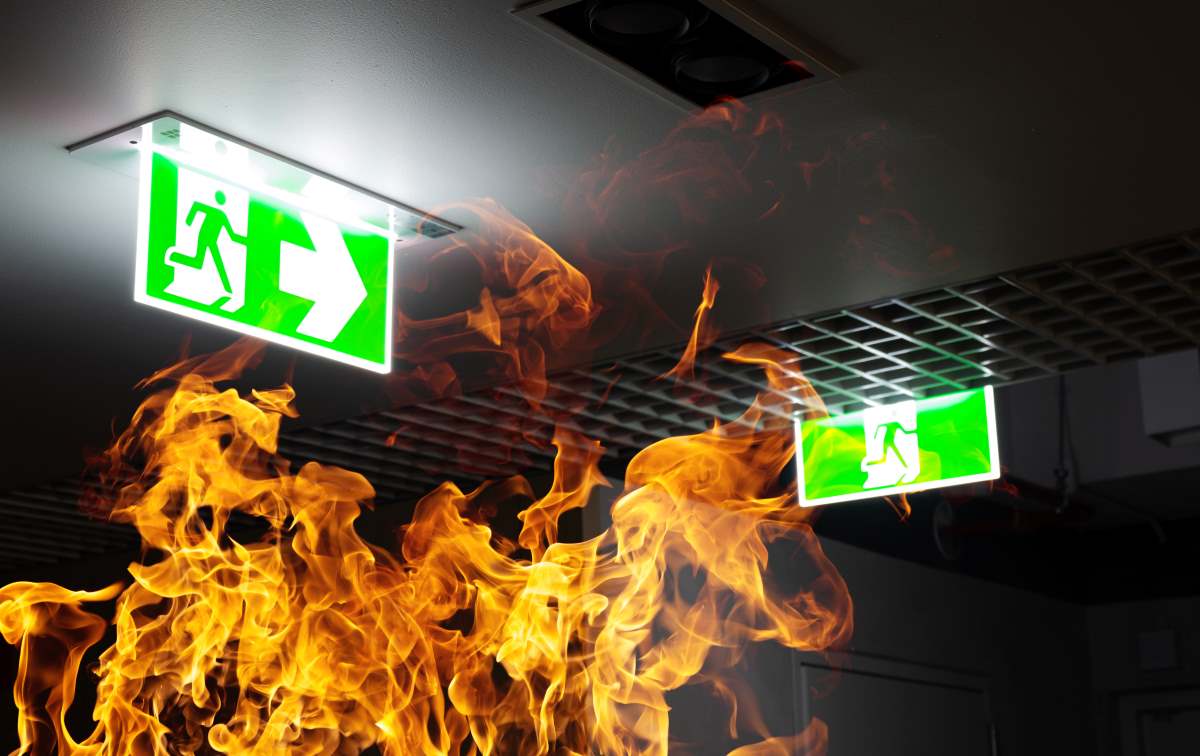
An office should be a safe place where employees can work without unnecessary risks. However, electrical equipment, overloaded sockets, paper materials, kitchen appliances, and other everyday items can create fire hazards if they are not managed properly. A small mistake can sometimes lead to a serious fire, causing injuries, property damage, business interruptions, and financial losses.
This is why fire safety in offices should be an important part of every workplace safety plan. Businesses need to identify possible fire risks, maintain fire protection equipment, train employees, and prepare a clear emergency response plan.
Why Is Fire Safety Important in Offices?
Office fires can happen unexpectedly. Even a small fire can spread quickly when combustible materials such as paper, cardboard, furniture, curtains, and packaging are nearby.
Good fire safety helps businesses:
- Protect employees and visitors
- Reduce the risk of injuries and fatalities
- Protect office equipment and important documents
- Reduce property damage
- Minimise business interruptions
- Improve emergency preparedness
- Support workplace safety and compliance
Effective fire safety for businesses is not only about installing fire extinguishers. It involves prevention, early detection, emergency planning, regular inspections, and employee awareness.
Common Fire Risks in Offices
Understanding common fire hazards is the first step towards creating a safer workplace.
1. Electrical Equipment and Wiring
Electrical faults are one of the major fire risks in many workplaces. Computers, printers, servers, chargers, air conditioners, microwaves, and other electrical equipment are often used throughout the day.
Damaged wires, loose connections, faulty equipment, and poor maintenance can increase the risk of overheating or electrical fires.
How to prevent it:
- Inspect electrical wiring regularly.
- Replace damaged cables immediately.
- Avoid using faulty electrical equipment.
- Do not overload electrical sockets.
- Keep electrical equipment away from water.
- Switch off unnecessary equipment when leaving the office.
2. Overloaded Power Sockets
Using too many devices through one socket or extension board can create excessive electrical load. This may cause overheating and potentially result in a fire.
Employees should avoid connecting multiple high-power appliances to the same outlet. Extension boards should also be used carefully and replaced if they show signs of damage.
A qualified professional should inspect electrical systems when repeated power trips, burning smells, sparks, or overheating are noticed.
3. Kitchen and Pantry Fires
Many offices have a pantry or kitchen where employees use kettles, coffee machines, microwaves, toasters, induction cookers, and other appliances.
Leaving these appliances unattended or failing to maintain them can create fire hazards.
Simple prevention measures include:
- Keep appliances clean and well maintained.
- Do not leave cooking appliances switched on unnecessarily.
- Keep paper, cloth, and other flammable materials away from heat sources.
- Provide suitable fire extinguishers in appropriate locations.
- Make sure employees know how to respond to a small kitchen fire.
4. Flammable Materials and Poor Storage
Offices can contain large quantities of paper, cardboard boxes, cleaning products, packaging materials, and other combustible items. Storing these materials near electrical panels, heaters, or other heat sources can increase fire risk.
Keep combustible materials in designated storage areas and maintain enough space around electrical panels and emergency equipment.
Avoid storing unnecessary materials in corridors, staircases, or emergency exits.
5. Blocked Emergency Exits
During a fire, employees need to leave the building quickly and safely. Blocked exits can slow evacuation and create serious danger.
Boxes, furniture, files, or other items should never be placed in front of emergency exits, staircases, or evacuation routes.
Businesses should regularly check:
- Emergency doors
- Staircases
- Corridors
- Exit routes
- Emergency lighting
- Exit signs
Every employee should also know the safest evacuation route from their work area.
6. Smoking-Related Fire Hazards
If smoking is permitted in designated areas, cigarette butts must be disposed of safely. A poorly extinguished cigarette can ignite combustible materials.
Businesses should clearly identify designated smoking areas where applicable and ensure suitable disposal containers are available.
7. Poorly Maintained Fire Protection Equipment
Having fire protection equipment is not enough. Equipment must be properly installed, accessible, inspected, and maintained.
Fire extinguishers, alarms, emergency lighting, fire hydrants, sprinklers, and other systems should be checked according to their maintenance requirements.
Employees should never block access to fire extinguishers or other emergency equipment with furniture, boxes, or office supplies.
8. Lack of Employee Fire Safety Training
Even the best fire protection systems cannot replace employee awareness.
Employees should understand what to do when they discover smoke, a fire, or an alarm. Regular training can help employees respond calmly instead of panicking.
Training can cover:
- How to raise an alarm
- Emergency evacuation procedures
- Location of emergency exits
- Basic extinguisher awareness
- Assembly point procedures
- How to report a fire hazard
- What to do when the fire alarm sounds
The Role of a Fire Detection System
Early detection can make a major difference during a fire emergency. A Fire Detection System can identify signs of fire, such as smoke or excessive heat, and provide an early warning.
Depending on the building and its requirements, fire detection solutions may include smoke detectors, heat detectors, manual call points, fire alarm panels, sounders, and other components.
A properly planned system can help alert occupants quickly, giving them more time to evacuate and allowing emergency teams to respond.
Businesses should ensure that fire detection equipment is installed in suitable locations and maintained regularly.
Conduct a Regular Fire Safety Audit
A regular Fire Safety Audit can help businesses identify hazards that may otherwise be overlooked.
During an audit, different aspects of workplace fire safety can be reviewed, including fire protection equipment, emergency exits, electrical risks, evacuation arrangements, fire detection systems, signage, and employee awareness.
The purpose is not simply to identify problems. It is to understand what improvements are required and take corrective action.
For businesses looking for professional fire protection and safety solutions, Elixir Engineering provides fire and safety solutions for commercial and industrial requirements.
Create a Practical Office Fire Safety Plan
Every office should have a clear fire emergency plan. The plan should be easy for employees to understand and should explain what they need to do during an emergency.
A basic plan should include:
Identify Emergency Exits
Clearly mark emergency exits and ensure they remain accessible.
Establish an Assembly Point
Choose a safe location outside the building where employees can gather after evacuation.
Assign Responsibilities
Depending on the size of the workplace, responsible personnel can be assigned to support evacuation, communication, and emergency response.
Display Emergency Information
Important emergency instructions should be displayed where employees can easily see them.
Conduct Fire Drills
Fire drills help employees understand evacuation procedures and identify problems with the emergency plan.
How Businesses Can Improve Fire Safety
A strong workplace fire safety strategy should focus on prevention as well as protection.
Here are some simple steps businesses can follow:
- Inspect electrical systems regularly.
- Keep emergency exits clear at all times.
- Install suitable fire detection and alarm systems.
- Provide appropriate fire extinguishers.
- Maintain fire protection equipment regularly.
- Store combustible materials safely.
- Train employees in basic fire safety procedures.
- Conduct regular fire drills.
- Carry out periodic fire safety inspections and audits.
- Update the fire emergency plan when office layouts or operations change.
Building a Fire-Safe Office Culture
Fire safety should not be treated as a one-time activity. It should become part of the everyday workplace culture.
Employees should feel comfortable reporting hazards such as damaged wires, blocked exits, faulty equipment, unusual burning smells, or malfunctioning alarms.
Management should take these reports seriously and address problems quickly.
Regular communication, training, inspections, and maintenance can help create a workplace where everyone understands their role in preventing fires.
Final Thoughts
Fire safety in offices requires continuous attention. Common risks such as electrical faults, overloaded sockets, kitchen appliances, combustible materials, blocked exits, and lack of employee training can increase the possibility of a fire.
The good news is that many workplace fire risks can be reduced through proper planning, regular maintenance, employee training, and suitable fire protection systems.
Businesses should take a proactive approach instead of waiting for an emergency to happen. From conducting a Fire Safety Audit to maintaining a reliable Fire Detection System, every step can contribute to a safer workplace.
If your business needs professional fire safety solutions, visit Elixir Engineering to explore suitable fire protection and safety services for your workplace.
Frequently Asked Questions
1. What is fire safety in offices?
Fire safety in offices refers to the practices, systems, equipment, and procedures used to prevent fires and protect employees, visitors, property, and business operations during a fire emergency.
2. What are the most common office fire risks?
Common risks include electrical faults, overloaded sockets, kitchen appliances, combustible materials, smoking, poor equipment maintenance, and blocked emergency exits.
3. How can businesses improve fire safety?
Businesses can improve fire safety by identifying hazards, maintaining electrical systems, installing suitable fire detection and protection equipment, keeping exits clear, training employees, and conducting regular fire drills and safety audits.
4. Why is a Fire Safety Audit important?
A Fire Safety Audit helps identify potential fire hazards and gaps in existing safety measures. It can help businesses understand where improvements are needed and support a more effective fire safety plan.
5. Why is a Fire Detection System important in an office?
A Fire Detection System can provide an early warning when smoke, heat, or other signs of fire are detected. Early warning can give occupants more time to respond and evacuate safely.
6. How often should office fire safety equipment be checked?
Fire safety equipment should be inspected and maintained according to applicable requirements, manufacturer recommendations, and the specific needs of the building. Regular professional inspections can help ensure systems remain ready for use.
7. Should offices conduct fire drills?
Yes. Regular fire drills help employees understand evacuation procedures, locate emergency exits, and practise responding calmly during an emergency.
8. Who is responsible for fire safety in an office?
Fire safety is a shared responsibility. Management should provide appropriate systems, equipment, maintenance, training, and emergency procedures, while employees should follow safety rules and report hazards promptly.