Fire Safety Audit Checklist: Simple Steps to Keep Your Building Safe
Fire accidents can happen anytime and anywhere. A small spark, faulty wiring, or improper storage of flammable materials can quickly turn into a dangerous situation. That is why every building owner, factory manager, office administrator, and property manager should follow a proper Fire Safety Audit Checklist.
A fire safety audit helps identify fire risks, improve safety systems, and ensure that people inside the building remain protected during emergencies. Whether it is a commercial building, residential property, hospital, warehouse, or industrial site, regular fire safety inspections are very important.
Professional companies like Elixir Engineering provide complete fire safety audit services in Mumbai and Pune to help businesses maintain a safe environment and follow fire safety regulations.
What is a Fire Safety Audit?
A fire safety audit is a detailed inspection of a building to identify possible fire hazards and check whether proper fire protection systems are installed and working correctly.
The audit usually includes:
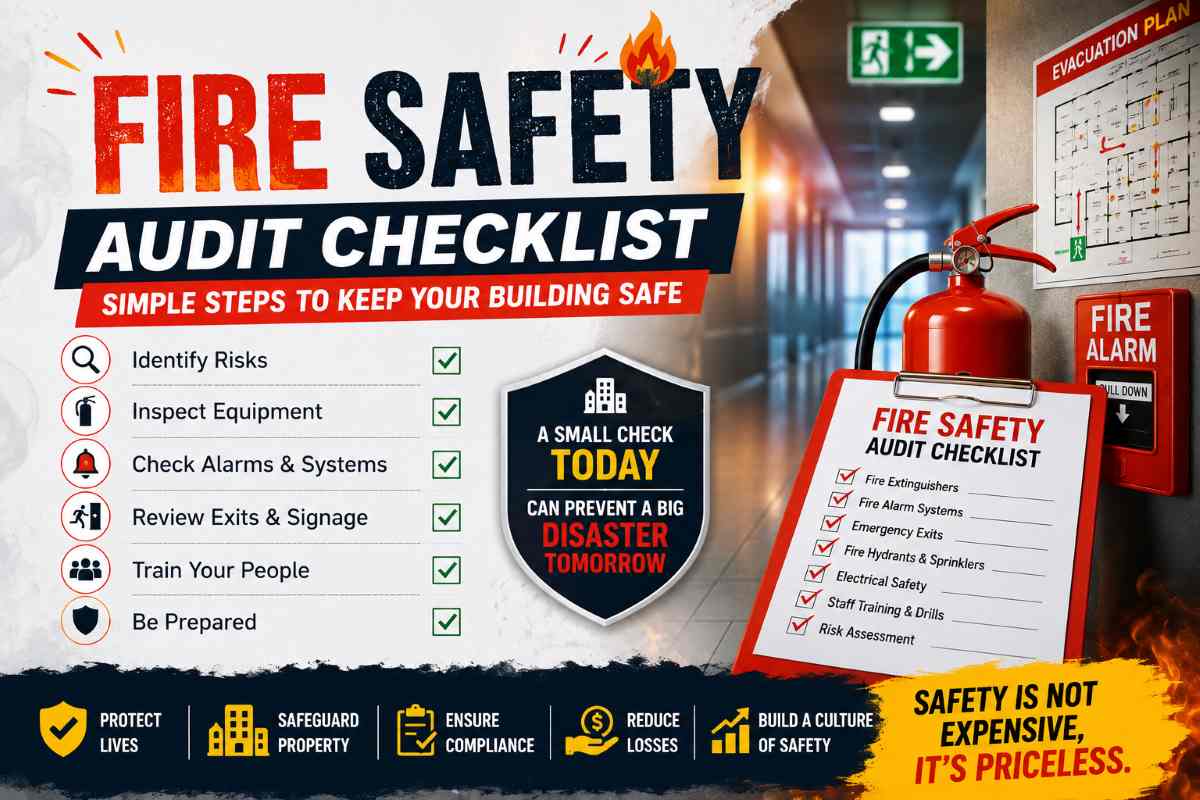
- Inspection of fire extinguishers
- Checking fire alarm systems
- Examining emergency exits
- Electrical safety inspection
- Fire hydrant and sprinkler system checks
- Staff safety training review
- Risk assessment of fire-prone areas
The main goal is to reduce fire risks and improve emergency preparedness.
Why is a Fire Safety Audit Important?
Many building owners ignore fire safety until an emergency happens. However, regular fire audits help prevent major accidents and save lives.
Benefits of Fire Safety Audits
1. Protects Human Lives
The biggest advantage is the safety of employees, residents, customers, and visitors.
2. Reduces Property Damage
Early identification of fire risks helps avoid costly damages to buildings and equipment.
3. Ensures Legal Compliance
Businesses must follow fire safety laws and regulations. Fire audits help maintain compliance.
4. Improves Emergency Response
Well-maintained fire systems and trained staff respond faster during emergencies.
5. Increases Business Safety
A safe workplace improves employee confidence and business reputation.
Complete Fire Safety Audit Checklist
Below is a simple Fire Safety Audit Checklist that every building should follow.
1. Check Fire Extinguishers
Fire extinguishers are one of the first tools used during a fire emergency.
Things to Inspect:
- Are fire extinguishers installed in proper locations?
- Are they easily accessible?
- Is the pressure gauge working correctly?
- Are extinguishers within expiry dates?
- Are employees trained to use them?
Different types of extinguishers are required for different fire risks such as electrical fires, chemical fires, or paper fires.
2. Inspect Fire Alarm Systems
Fire alarm systems provide early warning and help people evacuate quickly.
Checklist:
- Test alarm sound and sensors
- Check smoke detectors
- Verify battery backup
- Ensure manual call points work properly
- Confirm alarm panels show correct signals
Regular testing ensures the alarm system works during emergencies.
3. Examine Fire Sprinkler Systems
Automatic sprinkler systems help control fires before they spread.
Important Inspection Points:
- Check sprinkler heads for damage
- Ensure water supply is available
- Test sprinkler pressure
- Inspect valves and pipelines
- Remove any blockage around sprinklers
Sprinkler systems should be maintained regularly for effective performance.
4. Inspect Fire Hydrant Systems
Fire hydrant systems are essential for large buildings, factories, and warehouses.
Audit Checklist:
- Check water pressure
- Inspect hoses and nozzles
- Ensure hydrant valves operate properly
- Confirm pumps are functioning
- Look for leakage or rust in pipelines
Proper hydrant maintenance ensures quick firefighting support during emergencies.
5. Review Emergency Exit Routes
Emergency exits help people leave the building safely during fires.
Important Checks:
- Are exit doors unlocked?
- Are escape routes free from blockage?
- Is emergency lighting working?
- Are exit signs visible?
- Are evacuation maps displayed clearly?
Blocked exits can create panic and increase danger during emergencies.
6. Check Electrical Safety
Electrical faults are one of the most common causes of fire accidents.
Electrical Inspection Checklist:
- Inspect damaged wires and cables
- Check overloaded sockets
- Examine electrical panels
- Ensure proper earthing
- Verify maintenance of generators and backup systems
Regular electrical inspections help reduce fire hazards.
7. Inspect Storage of Flammable Materials
Improper storage of chemicals and flammable items increases fire risk.
Safety Checklist:
- Store chemicals in approved containers
- Keep flammable materials away from heat
- Maintain ventilation in storage areas
- Display warning signs
- Use fire-resistant storage cabinets if needed
Factories and industrial buildings should pay extra attention to this area.
8. Verify Smoke Control Systems
Smoke spreads quickly during fires and can become life-threatening.
Inspection Points:
- Check smoke detectors
- Test smoke exhaust systems
- Inspect ventilation systems
- Ensure staircases remain smoke-free
Smoke management systems help improve evacuation safety.
9. Review Fire Safety Training
Even the best fire protection systems may fail if people do not know how to react.
Training Checklist:
- Conduct regular fire drills
- Train employees to use extinguishers
- Teach evacuation procedures
- Assign emergency response teams
- Educate staff about fire risks
Training improves confidence and reduces panic during emergencies.
10. Check Emergency Contact Information
Quick communication is important during fire emergencies.
Ensure:
- Emergency numbers are displayed clearly
- Fire department contacts are updated
- Staff knows reporting procedures
- Emergency communication systems work properly
Fast response can prevent major damage.
Common Fire Safety Mistakes to Avoid
Many businesses unknowingly make mistakes that increase fire risks.
Ignoring Maintenance
Fire systems require regular servicing. Neglecting maintenance can lead to failure during emergencies.
Blocking Emergency Exits
Storage boxes or furniture should never block exit routes.
Using Expired Fire Extinguishers
Expired extinguishers may not work properly when needed.
Overloading Electrical Systems
Too many electrical devices on one connection can cause overheating and sparks.
Lack of Employee Training
Untrained staff may panic and make unsafe decisions during emergencies.
How Often Should a Fire Safety Audit Be Conducted?
The frequency of fire safety audits depends on the type of building and risk level.
General Recommendations:
- Commercial buildings: Once every year
- Factories and industries: Every 6 months
- Hospitals and hotels: Regular inspections with monthly checks
- Warehouses: Based on storage risks
High-risk areas may require more frequent audits.
Industries That Need Fire Safety Audits
Almost every industry requires proper fire safety inspections.
Common Industries Include:
- Manufacturing plants
- Warehouses
- Shopping malls
- Office buildings
- Hospitals
- Hotels
- Schools and colleges
- Residential apartments
- Restaurants
Regular audits help these businesses maintain safety and compliance.
Why Choose Professional Fire Safety Auditors?
Professional fire safety auditors have the experience and knowledge to identify hidden risks that may be missed during normal inspections.
Benefits of Hiring Experts:
- Detailed fire risk assessment
- Proper safety recommendations
- Compliance with fire regulations
- Professional inspection reports
- Improved fire prevention planning
Experienced companies like Elixir Engineering provide reliable fire safety audit services for commercial and industrial properties in Mumbai and Pune.
Tips to Improve Fire Safety in Buildings
Here are some simple ways to improve fire safety:
- Conduct regular fire drills
- Install modern fire alarm systems
- Replace damaged electrical wiring
- Keep emergency exits clear
- Train staff regularly
- Maintain fire extinguishers properly
- Inspect fire hydrant and sprinkler systems regularly
- Store chemicals safely
Small preventive steps can help avoid major fire accidents.
Conclusion
Fire safety should never be ignored. A proper Fire Safety Audit Checklist helps identify risks, improve safety systems, and protect lives and property from fire accidents.
Regular inspections of fire extinguishers, alarms, sprinklers, hydrants, electrical systems, and emergency exits are necessary for every building. Businesses should also train employees and maintain fire safety equipment regularly.
Professional fire safety audits provide better protection and ensure compliance with safety regulations. If you are looking for trusted fire safety audit services, Elixir Engineering offers expert fire safety solutions in Mumbai and Pune.
Frequently Asked Questions
1. What is a Fire Safety Audit Checklist?
A Fire Safety Audit Checklist is a list of inspections used to identify fire risks and ensure fire protection systems are working properly.
2. Why is a fire safety audit important?
A fire safety audit helps protect people, reduce fire hazards, prevent property damage, and ensure legal compliance.
3. How often should fire safety audits be conducted?
Most commercial buildings should conduct audits once a year, while industries and high-risk areas may need audits every six months.
4. What is checked during a fire safety audit?
The audit includes inspection of fire extinguishers, alarms, sprinklers, hydrants, emergency exits, electrical systems, and employee safety training.
5. Who should conduct a fire safety audit?
Professional fire safety auditors or certified fire protection companies should perform detailed inspections and provide recommendations.
6. Can small businesses also benefit from fire safety audits?
Yes, small businesses can prevent fire accidents, improve employee safety, and avoid legal problems through regular audits.
7. What are common causes of fire accidents in buildings?
Electrical faults, overloaded wiring, improper chemical storage, unattended equipment, and lack of maintenance are common causes.
8. How can businesses improve fire safety?
Businesses can improve safety through regular inspections, staff training, proper maintenance of fire systems, and keeping emergency exits clear.