Fire Safety Guidelines for Commercial Buildings in Mumbai
Mumbai is India’s financial capital and home to thousands of offices, shopping malls, hotels, hospitals, warehouses, factories, and commercial complexes. With high population density and heavy business activities, the risk of fire accidents is always present. A single fire incident can lead to loss of life, property damage, business interruption, and legal penalties.
This is why following proper Fire Safety Guidelines is not just a legal requirement but also a responsibility for every commercial building owner, manager, and occupier. The Maharashtra Fire Prevention and Life Safety Measures Act, 2006 requires commercial buildings to install, maintain, and regularly inspect fire safety systems to protect lives and property.
Why Fire Safety is Important for Commercial Buildings
Commercial buildings usually have a large number of employees, visitors, customers, and valuable assets. During a fire emergency, panic can spread quickly if proper safety measures are not in place.
Effective fire safety helps to:
- Protect human lives
- Reduce property damage
- Prevent business downtime
- Meet legal requirements
- Improve emergency preparedness
- Enhance employee confidence and safety
Recent inspections in Mumbai have shown that many establishments still fail to comply with fire safety requirements, resulting in notices and penalties from authorities.
Understanding the Maharashtra Fire Safety Requirements
The Maharashtra Fire Prevention and Life Safety Measures Act requires owners and occupiers of commercial buildings to provide adequate fire prevention and firefighting systems. These systems must remain functional and be maintained in good condition at all times. The law also requires periodic certification and maintenance reporting.
Commercial property owners should ensure compliance with:
- Maharashtra Fire Prevention and Life Safety Measures Act
- National Building Code (NBC)
- Local municipal regulations
- Fire NOC requirements
- Annual fire safety inspections and audits where applicable
Essential Fire Safety Guidelines for Commercial Buildings
1. Install Reliable Fire Detection Systems
Early detection is one of the most important elements of fire safety.
Commercial buildings should install:
- Smoke detectors
- Heat detectors
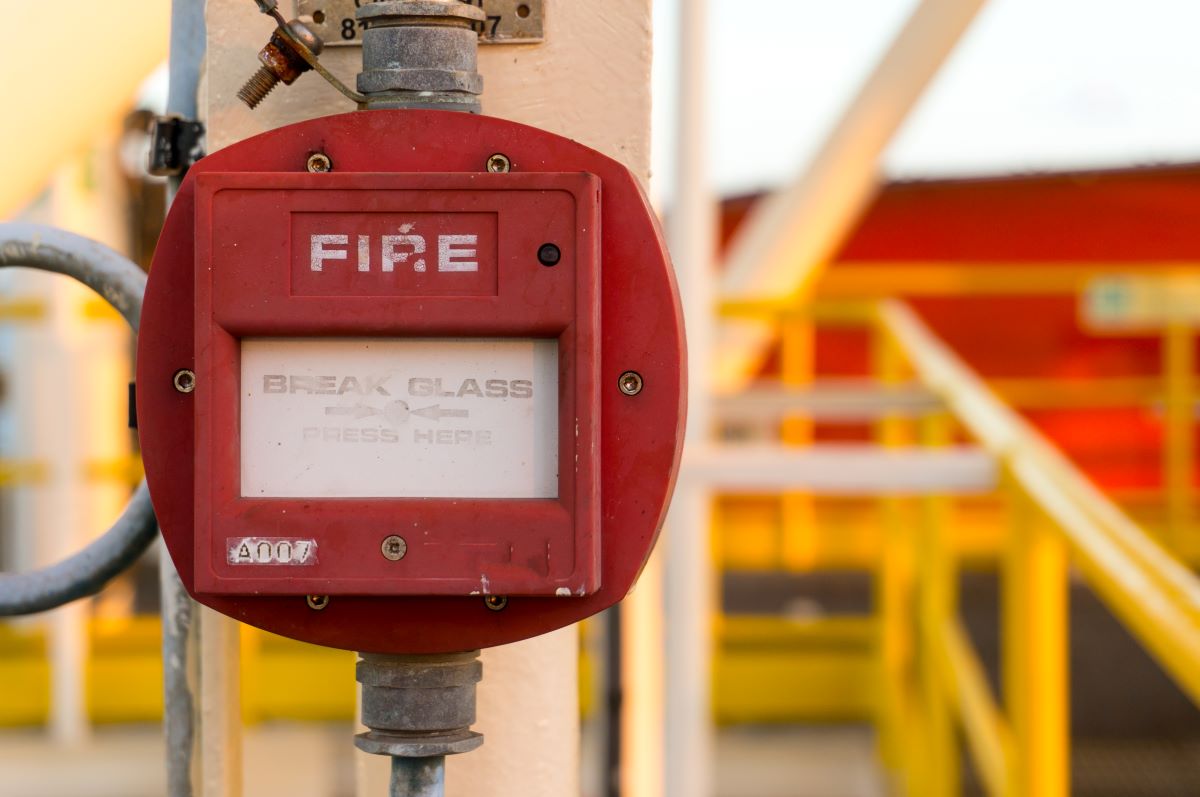
- Fire alarm systems
- Manual call points
- Control panels
These systems help identify fire hazards at an early stage and alert occupants before the situation becomes dangerous.
Regular testing should be carried out to ensure alarms and detectors function properly.
2. Maintain Fire Extinguishers
Fire extinguishers are often the first line of defense against small fires.
Every commercial building should:
- Install appropriate extinguisher types
- Place extinguishers in visible locations
- Ensure easy accessibility
- Conduct routine inspections
- Replace expired extinguishers
Employees should also know how to use fire extinguishers during an emergency.
3. Install Fire Hydrant and Sprinkler Systems
Modern commercial buildings require advanced firefighting systems.
Important systems include:
- Fire hydrants
- Automatic sprinkler systems
- Wet risers
- Downcomers
- Fire pumps
These systems help control fires before they spread across the building.
Authorities often check whether these systems are fully operational during inspections.
4. Keep Emergency Exits Clear
Emergency exits are critical during evacuation.
Building managers should ensure:
- Exit doors remain unlocked
- Corridors are free from obstructions
- Staircases remain accessible
- Exit signs are visible
- Emergency lighting is functional
Blocked exits can create dangerous situations and delay evacuation during a fire emergency.
Fire inspections frequently identify blocked passages and locked escape routes as major safety violations.
5. Conduct Regular Fire Safety Audits
A fire safety audit helps identify hidden risks before they become serious problems.
The audit should include:
- Inspection of fire systems
- Testing of alarms
- Verification of extinguishers
- Emergency preparedness review
- Electrical safety checks
- Documentation review
Regular audits help maintain compliance and improve overall building safety. Annual third-party audits are required for certain categories of commercial and high-rise buildings.
6. Train Employees on Fire Safety
Even the best fire protection systems may fail if people do not know how to respond during emergencies.
Every commercial building should provide:
- Fire safety awareness programs
- Emergency response training
- Evacuation procedures
- Extinguisher handling training
- First-aid awareness
A well-trained workforce can significantly reduce panic and improve evacuation efficiency.
7. Conduct Regular Fire Drills
Fire drills help occupants understand emergency procedures.
Benefits of fire drills include:
- Faster evacuation
- Better coordination
- Reduced panic
- Improved emergency response
- Identification of weak points
Commercial buildings should conduct fire drills at scheduled intervals and maintain records of these exercises.
8. Ensure Electrical Safety
Electrical faults are among the leading causes of fires in commercial properties.
To minimize risk:
- Avoid overloaded circuits
- Inspect wiring regularly
- Replace damaged cables
- Use quality electrical equipment
- Maintain electrical panels properly
Routine electrical inspections can help detect problems before they result in fire incidents.
9. Manage Flammable Materials Properly
Many commercial establishments store combustible materials that can increase fire risks.
Examples include:
- Paper records
- Packaging materials
- Chemicals
- Fuels
- Cleaning products
Such materials should be stored safely and away from ignition sources.
Proper storage procedures can significantly reduce the likelihood of fire outbreaks.
10. Maintain Fire Pumps and Water Supply
Fire pumps play a critical role in supplying water to firefighting systems.
Building owners should ensure:
- Fire pumps remain operational
- Water tanks are adequately filled
- Pump rooms are accessible
- Regular maintenance is conducted
Fire authorities have issued notices to buildings where fire pumps were found non-functional during inspections.
11. Install Proper Safety Signage
Clear signage helps people respond quickly during emergencies.
Important signs include:
- Exit signs
- Fire extinguisher locations
- Assembly points
- Emergency contact numbers
- Fire control room directions
Well-placed signage can save valuable time during evacuation.
12. Keep Fire Safety Equipment Well Maintained
Installing fire safety equipment is only the first step. Maintenance is equally important.
Common maintenance tasks include:
- Alarm testing
- Sprinkler inspections
- Hydrant checks
- Extinguisher servicing
- Pump testing
Many fire safety violations occur because installed systems are not maintained properly.
Common Fire Safety Mistakes to Avoid
Many commercial buildings make avoidable mistakes that increase fire risks.
These include:
- Ignoring maintenance schedules
- Blocking emergency exits
- Storing combustible materials improperly
- Using expired extinguishers
- Skipping fire drills
- Failing to renew fire approvals
- Neglecting employee training
Avoiding these mistakes can greatly improve overall building safety.
Consequences of Non-Compliance
Failure to follow fire safety regulations can result in:
- Heavy penalties
- Legal action
- Closure notices
- Suspension of operations
- Property damage
- Loss of life
Authorities across Maharashtra regularly inspect commercial establishments and take action against non-compliant properties.
How Elixir Engineering Can Help
Maintaining compliance with fire safety regulations can be challenging for commercial property owners. Professional support ensures that all systems are properly designed, installed, inspected, and maintained.
Elixir Engineering provides comprehensive fire safety solutions, including:
- Fire Safety Audits
- Fire Hydrant Systems
- Fire Sprinkler Systems
- Fire Alarm Systems
- Fire Detection Systems
- AMC Services
- Fire NOC Assistance
- Compliance Support under Maharashtra Fire Safety Regulations
By partnering with experienced fire safety professionals, businesses can create a safer environment while meeting all legal requirements.
Conclusion
Following proper Fire Safety Guidelines is essential for every commercial building in Mumbai. Fire safety is not only about complying with regulations; it is about protecting people, assets, and business operations.
Regular inspections, employee training, fire drills, properly maintained firefighting systems, and adherence to the Maharashtra Fire Prevention and Life Safety Measures Act can significantly reduce fire risks. Investing in fire safety today can prevent major losses tomorrow.
Frequently Asked Questions
1. What are the most important Fire Safety Guidelines for commercial buildings?
The most important guidelines include installing fire alarms, maintaining extinguishers, keeping exits clear, conducting fire drills, and regularly inspecting all fire protection systems.
2. Is a Fire NOC mandatory for commercial buildings in Mumbai?
Yes, many commercial buildings require a Fire NOC and must comply with Maharashtra fire safety regulations. Requirements vary based on building type and occupancy.
3. How often should fire safety equipment be inspected?
Fire safety equipment should be inspected and maintained regularly according to applicable regulations and manufacturer recommendations.
4. Why are fire drills important in commercial buildings?
Fire drills help employees understand evacuation procedures, reduce panic, and improve emergency response during actual fire incidents.
5. What happens if a commercial building fails to comply with fire safety regulations?
Non-compliance can result in penalties, notices, legal action, service disconnections, closure orders, and increased risk to life and property.
6. How can Elixir Engineering help with fire safety compliance?
Elixir Engineering provides fire safety audits, system installation, maintenance services, fire protection solutions, and guidance for meeting Maharashtra fire safety requirements.