Fire Safety for Warehouses and Industrial Units in Maharashtra: Compliance Guide and Diwali Checklist
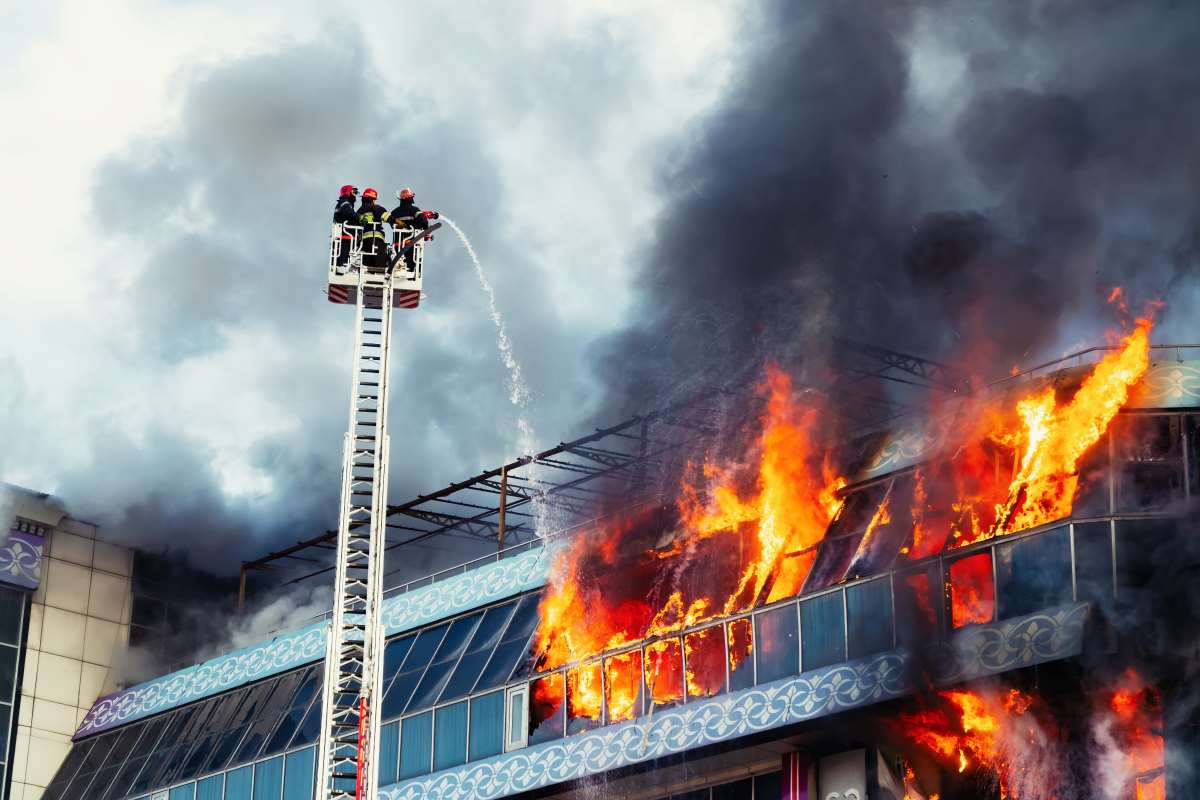
Fire safety for warehouses and industrial units in Maharashtra means installing the right fire protection systems, maintaining them, and proving it with a Form B certificate issued by a licensed agency every January and July, as required under the Maharashtra Fire Prevention and Life Safety Measures Act, 2006. With Diwali stock surges, temporary lighting and heavy electrical loads, this is the season to check that your systems actually work.
Key Takeaways
- Form B is due twice a year (January and July) and must come from a licensed fire agency.
- A warehouse is only as safe as its weakest system: a locked exit or a dead hydrant pump can undo everything else.
- Diwali brings higher stock levels, extra lighting and more electrical load, all of which raise fire risk.
- Fire systems need regular maintenance and a trained team, not just installation.
Why Warehouses and Industrial Units Face Higher Fire Risk
Warehouses and factories combine three things fire loves: fuel, ignition sources and size. Packaging material, plastics, chemicals, pallets and finished goods burn fast. Forklift chargers, motors, panels and machinery provide ignition sources. And large open spaces let a small fire spread before anyone notices.
In Maharashtra, with its dense industrial belts around Mumbai, Thane, Navi Mumbai, Pune, Pimpri-Chinchwad, Nashik and Aurangabad, a single fire can mean lost stock, halted production, insurance disputes and legal action. Recent fire incidents have pushed authorities to tighten inspections across commercial and industrial premises. Preparing early is far cheaper than responding late.
What Maharashtra Law Requires from Warehouse and Factory Owners
Under the Maharashtra Fire Prevention and Life Safety Measures Act, 2006, owners and occupiers are responsible for keeping fire prevention and life safety measures in good repair and working condition. In practice, that means:
- Install fire protection systems as per the National Building Code (NBC 2016) and applicable Indian Standards for your occupancy type.
- Maintain them through a licensed agency, ideally under an annual maintenance contract (Fire AMC Services).
- Submit Form B to the Chief Fire Officer or the Maharashtra Fire Services every January and July, certifying that systems are in good repair and efficient condition.
- Keep records of inspections, repairs, refills and drills, since inspectors ask for them.
Not sure who carries the responsibility in a leased or shared industrial premises? Read our guide: Who is responsible for fire safety: the builder, the society or the occupants?
Note: Requirements can vary by building size, height, occupancy and local fire authority. Always confirm applicable rules with a licensed fire safety auditor or your local fire office.
Essential Fire Protection Systems for Warehouses and Industrial Units
| System | What it does | Why it matters in a warehouse |
| Fire Hydrant System | Provides pressurised water for firefighting | First line of defence for large storage areas and yards |
| Fire Sprinkler System | Automatically discharges water at the fire’s location | Controls fire before it spreads across racks and aisles |
| Fire Detection and Alarm System | Detects smoke or heat and alerts occupants | Early warning is critical in large, sparsely staffed spaces |
| Gas Suppression System | Extinguishes fire without water damage | Ideal for server rooms, control rooms and electrical panel rooms |
| Portable Fire Extinguishers | First-aid firefighting | Right type, right place, right training |
| Emergency Lighting, Exit Signage and Evacuation Routes | Guide people to safety | Prevents panic and delays during smoke and power failure |
If your premises already has some of these in place, an audit will tell you what is missing, outdated or non-functional. See our full range of Fire Protection Systems, and learn what a real installation looks like in Inside a Fire Alarm Installation Project: From Site Survey to System Activation.
Diwali Fire Safety for Warehouses and Industrial Units
Diwali is one of the busiest periods for warehouses, especially for e-commerce, FMCG, packaging, electronics, textiles and gifting. It is also one of the riskiest. Here is why, and what to do.
Why risk rises during Diwali
- Stock overload: Racks and floors fill up, blocking aisles, hydrants, extinguishers and exits.
- Temporary electrical loads: Decorative lighting, extension boards and extra chargers overload circuits.
- Open flames and sparks: Diyas, candles, incense and firecrackers near premises can ignite packaging and dust.
- Staff shortages: Holiday absences mean fewer trained people on shift or on site.
- Temporary structures: Decorations, tarpaulins and cloth are highly flammable.
Diwali Warehouse Fire Safety Checklist
☐ Keep aisles, exits and fire equipment clear; never stack stock in front of hydrants, extinguishers or panels.
☐ Ban firecrackers, diyas and open flames within and around the premises, including loading bays and parking.
☐ Never store fireworks alongside general stock. Firecracker storage and sale fall under separate explosives regulations and licensing.
☐ Use certified lighting and extension boards only; avoid daisy-chaining and overloading sockets.
☐ Switch off non-essential electrical equipment and lights when closing for the holidays.
☐ Get an electrical safety audit done to catch hot spots and loose connections before the load increases (Electrical Safety Audit).
☐ Test the fire alarm, hydrant pumps and sprinkler valves before the festive rush.
☐ Check that extinguishers are in date, pressure-checked and mounted at the right locations.
☐ Assign a fire warden for every shift, including holiday and night shifts.
☐ Keep emergency numbers (101 and 112) and your fire AMC contact displayed at the security desk.
☐ If the warehouse will be shut for several days, arrange a security round with a fire check before locking up.
7 Common Fire Safety Mistakes in Warehouses and Factories
- Blocked access: Stock, vehicles or machinery obstruct hydrants, exits and fire engine routes.
- Non-working pumps or low pressure: Systems installed years ago, never tested.
- Expired or wrong extinguishers: Water-based units near live electrical panels, or units simply past their date.
- Disabled or bypassed alarms: Panels left on mute or detectors covered during renovation.
- No clearance below sprinklers: Stacking too high leaves no room for water to spread. Follow the clearance your fire consultant specifies.
- Overloaded electrics: Extension cords and makeshift wiring in racking areas.
- No drills: Staff don’t know exits, assembly points or how to use an extinguisher.
Warehouse Fire Safety Maintenance Schedule
| Frequency | Tasks |
| Daily / weekly | Check exits and aisles are clear, panel status is normal, extinguisher locations are unobstructed |
| Monthly | Visual inspection of extinguishers, emergency lights and hydrant points |
| Quarterly | Test fire pumps, alarm panel and detectors; inspect sprinkler valves |
| Half-yearly (January and July) | Form B compliance certificate via a licensed agency |
| Annually | Full fire system audit, extinguisher servicing and refilling, staff training and mock drill |
Missing one task often means missing them all. A structured Fire AMC takes the guesswork out, and the Vaccifire Fire App lets you track equipment status through QR codes from anywhere.
Train Your Team: Systems Alone Don’t Save Lives
Even the best fire system fails if people panic. Every warehouse and factory should run:
- Occupant and fire warden training at least once a year
- Mock evacuation drills covering every shift
- Hands-on extinguisher training for supervisors and security staff
Learn more about our Fire Audit, Training and Maintenance services.
Upgrading an Older Warehouse Fire System
Many older units in Maharashtra still run on outdated or partially working fire systems. Warning signs include recurring false alarms, corroded pipes, low hydrant pressure, missing sprinkler coverage after expansion, or spares that can no longer be sourced. Our team handles Fire System Repairs and Upgradation without disrupting your operations, and you can see real examples on our Case Studies page.
Why Choose Elixir Engineering and Vaccifire
- Licensed fire prevention and life safety experts authorised by the Maharashtra Fire Department
- Certified fire systems auditors with the Mumbai Fire Brigade and the Fire & Security Association of India
- 29+ years of experience, 600+ clients across industrial, commercial and residential sites
- End-to-end service: concept, installation, AMC, audits, Form B and training
- Technology-led monitoring through our FireApp and the award-winning Vigilfire
Meet our Fire Safety Auditors in Mumbai and Pune, or learn about Elixir.
Frequently Asked Questions
Yes. Under the Maharashtra Fire Prevention and Life Safety Measures Act, 2006, owners and occupiers must submit Form B, issued by a licensed agency, to the fire authority twice a year, in January and July. Confirm exact applicability for your premises with a licensed auditor.
Only a fire agency licensed by the Maharashtra Fire Services. Always verify that the agency holds a valid licence before signing a contract.
This depends on size, height, storage type and occupancy, but most warehouses need a combination of hydrant systems, sprinklers, detection and alarm, extinguishers and emergency exits and lighting. High-value or sensitive areas such as server rooms may need gas suppression. A fire audit confirms exactly what applies to you.
Do a quick visual check monthly, a professional inspection at least annually, and refill or replace units as per their expiry and service tags.
Overloaded electrical circuits, blocked exits due to excess stock, open flames or firecrackers near premises, flammable decorations, and reduced staffing during holidays.
Firecrackers are regulated under explosives rules and need specific licences and storage conditions. They should never be stored with general goods in an ordinary warehouse. Consult the relevant licensing authority before storing them.
Raise the alarm, evacuate everyone to the assembly point, call 101 or 112, and use extinguishers only if the fire is small and you are trained. Never go back inside for stock.
Cost depends on the premises’ size, systems installed and service frequency. A site survey gives an accurate quote. Contact us for a customised proposal.
Non-compliance can lead to notices and legal action, and in the event of an incident, accountability may fall on the owner or occupier. Don’t wait for the deadline to pass; see our post The Fire Audit Deadline Is Near.