How to Avoid Fire Safety Penalties During Government Inspections
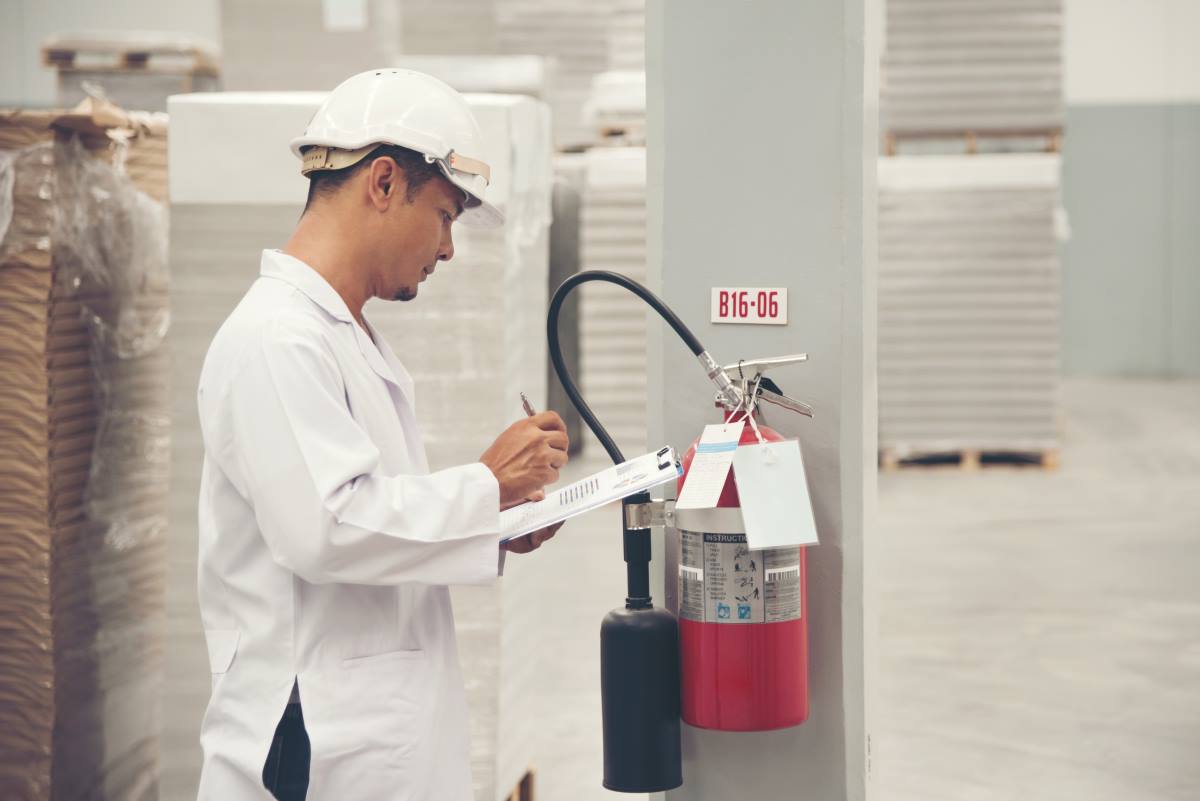
Imagine this situation: your business is operating smoothly, employees are busy with their daily work, and suddenly a government fire safety inspection is announced. Everything seems fine—until the inspector identifies missing documents, expired fire extinguishers, blocked emergency exits, or poorly maintained fire protection systems. What could have been a routine inspection may result in warnings, financial penalties, or even temporary closure.
Elixir Engineering helps businesses avoid these situations by conducting professional Fire Audit services, assisting with Fire NOC requirements, and ensuring fire protection systems meet applicable safety standards before an inspection takes place.
Whether you manage a factory, warehouse, office, hospital, school, hotel, or commercial building, understanding what inspectors look for can help you stay compliant while protecting your employees, visitors, and assets.
Why Government Fire Safety Inspections Matter
Government authorities conduct fire safety inspections to ensure that buildings meet required safety standards. These inspections are not designed to create unnecessary obstacles for businesses. Their primary purpose is to reduce fire risks, improve emergency preparedness, and save lives.
Inspectors generally evaluate:
- Fire alarm systems
- Fire extinguishers
- Fire hydrant systems
- Fire sprinkler systems
- Emergency exits
- Exit signage
- Smoke detection systems
- Electrical safety
- Emergency lighting
- Fire safety documentation
- Staff preparedness and emergency procedures
A well-maintained facility demonstrates that safety is taken seriously, making inspections smoother and reducing the likelihood of penalties.
Common Reasons Businesses Receive Fire Safety Penalties
Many organizations assume that penalties only occur when major violations are found. In reality, even small oversights can result in compliance issues.
Some of the most common violations include:
Expired Fire Extinguishers
Fire extinguishers require routine inspection and servicing. An expired extinguisher may fail during an emergency, making it one of the first things inspectors check.
Blocked Emergency Exits
Emergency exits should remain clear and accessible at all times. Storing boxes, machinery, or other materials in exit routes creates a serious safety hazard.
Faulty Fire Alarm Systems
A fire alarm that doesn’t function properly puts occupants at risk. Regular testing and maintenance are essential.
Missing Safety Signage
Emergency exit signs, evacuation maps, and fire equipment labels should be clearly visible throughout the building.
Poor Equipment Maintenance
Fire hydrants, sprinklers, pumps, smoke detectors, and emergency lighting should be inspected according to recommended maintenance schedules.
Incomplete Documentation
Even when equipment is functioning correctly, missing maintenance records or inspection reports may lead to compliance concerns.
How to Prepare Before a Government Fire Safety Inspection
Preparation should never begin after receiving an inspection notice. Businesses that follow a proactive safety plan remain inspection-ready throughout the year.
Conduct Regular Fire Audits
One of the most effective ways to prevent compliance issues is by conducting a professional Fire Audit.
A Fire Audit evaluates your building’s fire protection systems, identifies hazards, reviews emergency procedures, and highlights areas requiring improvement before government inspectors arrive.
Instead of reacting to problems after an inspection, businesses can resolve them early, reducing both safety risks and potential penalties.
Work with Experienced Fire Safety Auditors
Professional Fire Safety Auditors understand current regulations, industry standards, and inspection procedures.
They carefully evaluate every aspect of your facility, including:
- Fire detection systems
- Fire suppression systems
- Emergency evacuation routes
- Fire safety documentation
- Equipment maintenance records
- Employee awareness
- Risk assessment
Their recommendations help organizations strengthen compliance while improving overall workplace safety.
Rather than treating inspections as stressful events, businesses that engage experienced Fire Safety Auditors often approach them with greater confidence.
Keep Fire Protection Systems Fully Operational
Installing fire safety equipment is only the beginning.
Every system should receive routine inspection, testing, and preventive maintenance, including:
- Fire alarm systems
- Fire hydrant systems
- Fire sprinkler systems
- Smoke detectors
- Fire pumps
- Emergency lighting
- Portable fire extinguishers
Regular maintenance ensures these systems perform effectively during emergencies while meeting inspection requirements.
Train Employees Regularly
Even the best fire protection system cannot replace knowledgeable employees.
Fire safety training should include:
- How to report a fire
- How to use fire extinguishers safely
- Emergency evacuation procedures
- Assembly point locations
- Basic fire prevention practices
- Emergency communication procedures
Regular fire drills also help employees respond calmly during real emergencies.
Well-trained staff leave a positive impression during government inspections because safety becomes part of everyday operations rather than just a written policy.
Maintain Complete Fire Safety Documentation
Documentation plays a significant role during inspections.
Important records may include:
- Equipment maintenance reports
- Fire extinguisher service records
- Fire alarm testing reports
- Fire drill reports
- Emergency evacuation plans
- Staff training records
- Inspection certificates
- Maintenance schedules
Keeping these documents organized allows inspectors to verify compliance quickly.
Inspect Electrical Systems
Electrical faults remain one of the leading causes of commercial and industrial fires.
Routine electrical inspections should focus on:
- Overloaded circuits
- Damaged wiring
- Loose electrical connections
- Faulty switchboards
- Unauthorized electrical modifications
Addressing these issues early reduces fire risks while improving overall workplace safety.
Keep Emergency Routes Accessible
During inspections, emergency exits receive close attention.
Ensure that:
- Exit doors open easily.
- Escape routes remain unobstructed.
- Emergency lighting functions properly.
- Exit signs remain visible.
- Stairways are free from storage materials.
Simple housekeeping practices often prevent unnecessary penalties.
Perform Internal Fire Safety Inspections
Don’t wait for government inspectors to identify problems.
Assign responsible personnel to conduct monthly inspections covering:
- Fire extinguishers
- Fire alarms
- Emergency exits
- Smoke detectors
- Fire hydrants
- Sprinklers
- Electrical panels
- Emergency lights
Small issues discovered early are usually much easier and less expensive to correct.
Build a Fire Safety Culture
Compliance isn’t achieved through paperwork alone.
Businesses with strong safety cultures encourage employees to:
- Report hazards immediately.
- Follow safe work practices.
- Participate in fire drills.
- Maintain clean workspaces.
- Respect emergency procedures.
- Take ownership of workplace safety.
When safety becomes everyone’s responsibility, compliance naturally improves.
How Fire Audits Help Prevent Costly Penalties
Many businesses only think about inspections after receiving official notices.
However, regular Fire Audit services provide several long-term advantages:
- Identify compliance gaps early
- Improve emergency preparedness
- Reduce operational risks
- Strengthen employee safety
- Extend equipment lifespan
- Minimize unexpected repair costs
- Improve inspection readiness
- Reduce the likelihood of fire safety penalties
Instead of reacting to problems, businesses stay prepared throughout the year.
Why Professional Guidance Makes a Difference
Fire safety regulations continue to evolve, making it challenging for organizations to stay updated.
Working with experienced professionals ensures your business receives practical recommendations based on current safety requirements rather than assumptions.
Professional guidance also helps prioritize improvements, ensuring resources are invested where they have the greatest impact on safety and compliance.
How Elixir Engineering Supports Businesses
Maintaining fire safety compliance requires more than installing equipment—it requires continuous monitoring, regular maintenance, professional assessments, and expert guidance.
At Elixir Engineering, we help businesses strengthen their fire protection systems through comprehensive fire safety solutions, including inspections, system maintenance, risk assessments, and professional Fire Audit services.
Our experienced Fire Safety Auditors work closely with organizations across multiple industries to identify potential risks, improve compliance, and ensure facilities remain prepared for government inspections.
By addressing issues before they become violations, businesses can reduce downtime, protect valuable assets, and create safer workplaces for everyone.
Final Thoughts
Government inspections shouldn’t be viewed as obstacles—they’re opportunities to confirm that your workplace is safe, compliant, and prepared for emergencies.
The best way to avoid fire safety penalties is through consistent maintenance, proper documentation, employee training, and regular professional assessments. Small preventive actions taken today can prevent significant financial losses and operational disruptions tomorrow.
A proactive approach to fire safety not only helps your organization pass inspections with confidence but also demonstrates a genuine commitment to protecting people and property. Investing in regular Fire Audit services and partnering with qualified Fire Safety Auditors can make all the difference in maintaining compliance and building a safer future for your business.
Frequently Asked Questions
1. How much penalty can a business face if its fire safety system has expired?
There is no fixed penalty across India for an expired or poorly maintained fire safety system. The amount depends on the applicable state fire safety regulations, the type of building, the seriousness of the violation, and the local authority conducting the inspection. In some cases, businesses may receive a warning or notice to rectify the issue, while serious or repeated violations can result in financial penalties, suspension of operations, or legal action. The best way to avoid these situations is to schedule regular maintenance and professional Fire Audit services.
2. What documents should be ready during a government fire safety inspection?
Businesses should keep records such as fire extinguisher service reports, fire alarm testing reports, equipment maintenance logs, emergency evacuation plans, employee fire drill records, Fire NOC (where applicable), and inspection certificates. Organized documentation helps demonstrate ongoing compliance.
3. How often should a Fire Audit be conducted?
The ideal frequency depends on your industry, building type, and local regulations. Many commercial and industrial facilities conduct a Fire Audit annually, while high-risk industries may require more frequent assessments. Regular audits help identify risks before they become compliance issues.
4. Who performs a Fire Audit?
A Fire Audit is typically carried out by qualified Fire Safety Auditors who inspect fire protection systems, emergency exits, safety procedures, and compliance documentation. Their recommendations help businesses improve safety and prepare for government inspections.
5. Can a business fail a fire safety inspection?
Yes. Businesses may fail an inspection if inspectors find serious violations such as non-functional fire alarms, expired fire extinguishers, blocked emergency exits, inadequate fire protection systems, or missing compliance records. Addressing these issues before an inspection significantly improves the chances of passing.
6. How can businesses prepare for a government fire safety inspection?
Preparation includes servicing all fire protection equipment, training employees, conducting regular fire drills, maintaining complete documentation, keeping emergency exits clear, and arranging periodic inspections by experienced Fire Safety Auditors.
7. Is employee fire safety training important for compliance?
Absolutely. Employees should know evacuation procedures, emergency contact methods, and the proper use of fire extinguishers. Regular training not only improves workplace safety but also demonstrates a strong commitment to compliance during inspections.
8. How can Elixir Engineering help businesses avoid fire safety penalties?
Elixir Engineering provides comprehensive fire safety solutions, including Fire Audit services, inspections, maintenance of fire protection systems, and expert guidance from experienced Fire Safety Auditors. Our team helps businesses identify compliance gaps early, improve workplace safety, and stay prepared for government inspections.