
HVAC Building Management System: Supporting Smoke Control During Fire Emergencies
When a fire breaks out in a building, most people think flames are the biggest danger. But the truth is shocking — smoke kills more than 70% of fire victims, not the fire itself. Smoke spreads faster, travels further, and strikes silently — often before anyone even sees a flame.
The good news? A smart HVAC building management system (BMS) can automatically detect, respond to, and control smoke the moment a fire starts — protecting every person inside your building before firefighters even arrive.
At Elixir Engineering, we have spent years designing and delivering intelligent BMS and HVAC solutions that do exactly this — keeping buildings safe, smart, and compliant. In this article, we will explain what a BMS is, how BMS system HVAC works, and exactly how BMS controls save lives during fire emergencies.
What Is BMS? The Brain Behind Your Building
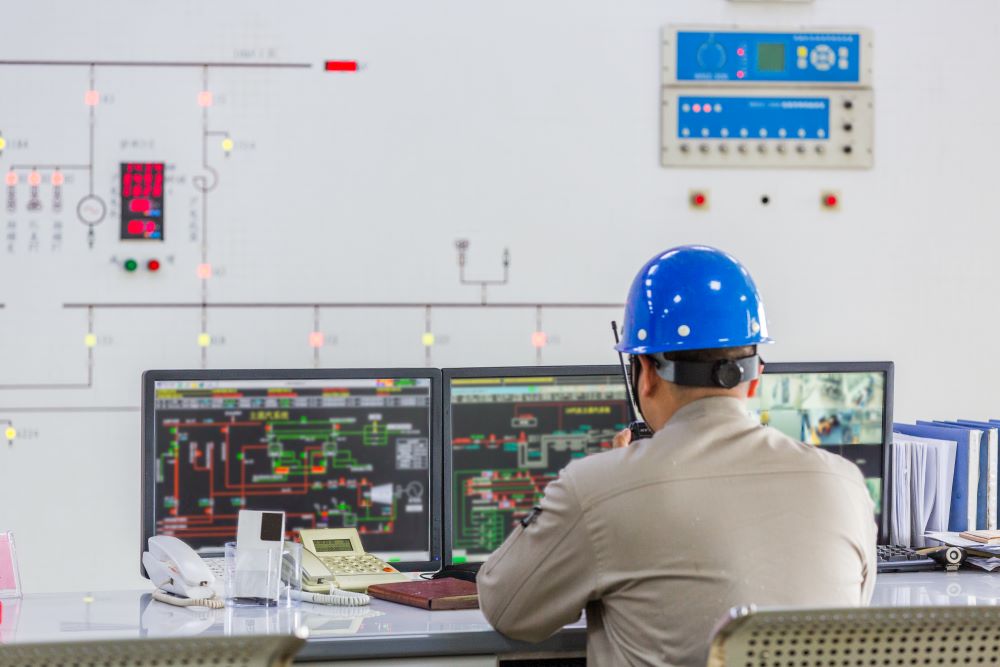
A Building Management System (BMS) is a computer-based control system that monitors and manages all the major systems in a building from one central point. This includes heating, cooling, ventilation, lighting, security, fire safety, and elevators.
In simple words, BMS is the smart brain of your building. It connects every system together and makes them work as one — automatically, around the clock, without needing someone to manually control each one.
You may also hear it called a Building Automation System (BAS) or Building Energy Management System (BEMS) — these are all the same thing, just different names used by different industries and regions.
Some quick facts about BMS:
- 40% of a building’s total energy flows through systems that a BMS controls
- When lighting is included, that number rises to 70%
- Most commercial buildings built after the year 2000 already include some form of BMS
- A well-configured BMS can reduce energy costs by up to 36% on HVAC alone
A BMS typically controls and monitors: HVAC systems, fire alarm systems, smoke dampers and exhaust fans, emergency lighting, elevators, security and access control, and electrical power systems.
Why Smoke Is the Real Killer in a Fire
Before we explain how the HVAC building management system controls smoke, it helps to understand why smoke is so dangerous in the first place.
Smoke spreads much faster than fire. In a large building with interconnected HVAC ducts, elevator shafts, and open atriums, smoke can travel across multiple floors within minutes — long before the fire itself reaches those areas.
Here is what makes smoke so deadly:
Toxic gases — Smoke contains carbon monoxide, hydrogen cyanide, and other poisonous gases. These can incapacitate a person in just two to three minutes, even if the fire is several floors away from them.
Zero visibility — Thick smoke makes it impossible to see exit signs, stairway doors, and corridors. People who would easily escape under normal conditions become disoriented and trapped.
Extreme heat — Hot smoke rises rapidly and can trigger dangerous “flashovers” on upper floors, turning a small contained fire into a full building emergency.
Fast spread through HVAC systems — The very same ductwork and fans that circulate air for your comfort every day can become a highway for smoke if they are not properly controlled during a fire.
This is exactly why a well-programmed building management system that takes control of your HVAC during an emergency is so critical.
How the HVAC Building Management System Controls Smoke — Step by Step
When a fire is detected, the BMS and fire alarm system work together in a carefully designed sequence. Here is exactly what happens:
Step 1 — Fire Detection Signal Smoke detectors or heat sensors pick up the fire and trigger the Fire Alarm Panel (FAP). The FAP instantly sends an alarm signal to the BMS smoke control server, identifying the exact fire zone in the building.
Step 2 — BMS Switches to Smoke Control Mode The BMS overrides all regular HVAC operations and activates its emergency smoke control sequences. This mode takes absolute top priority over every other function running in the system.
Step 3 — Smoke Zone Isolation Automatic fire and smoke dampers close around the affected floor or zone. This seals off the fire area. At the same time, adjacent zones are positively pressurised — meaning air is pushed into those areas to create a pressure barrier that stops smoke from spreading into corridors and stairways.
Step 4 — Smoke Exhaust Fans Activate Dedicated exhaust fans switch on at full speed to pull smoke out of the fire zone and expel it safely to the outside. Fresh air supply fans maintain breathable conditions in evacuation routes.
Step 5 — Stairwell and Elevator Shaft Pressurisation Stairwells and elevator shafts are pressurised by the BMS to prevent smoke from entering. This keeps these critical routes clear for both people evacuating and firefighters entering the building.
Step 6 — Firefighter Override Panel A dedicated Firefighter Smoke Control Panel (FSCP) gives emergency responders a real-time display of every fan, damper, and zone in the building. Firefighters can manually override any automated sequence to respond to how the fire is developing.
Key BMS Controls That Activate During a Fire
Here is a breakdown of the main components that your BMS controls during a fire emergency:
- Fire and Smoke Dampers Normally open for airflow. During a fire, they close automatically to seal the fire zone and stop smoke from travelling through ductwork.
- Supply Air Fans Normally used for comfort ventilation. During a fire, they pressurise safe zones and stairwells, pushing clean air in and preventing smoke from entering.
- Exhaust Fans Normally used for standard air extraction. During a fire, they switch to full-speed smoke purge mode, pulling smoke out of the fire zone.
- Air Handling Units (AHUs) Normally used for heating and cooling. During a fire, they either shut down or are redirected to support smoke control airflow patterns.
- Variable Air Volume (VAV) Boxes Normally used for zone temperature control. During a fire, they adjust airflow to help manage pressure differences between zones.
- Elevator Shaft Controls During a fire, elevator shafts are pressurised to block smoke from using them as a chimney to travel between floors.
Modern BMS controls use open communication protocols like BACnet and Modbus to connect all of these components — along with the fire alarm panel, emergency lighting, and sprinkler systems — into one coordinated emergency response network.
Dedicated vs. Non-Dedicated Smoke Control: What Is the Difference?
There are two main types of smoke control systems that a building management system may use:
Non-Dedicated Smoke Control System This type uses the existing HVAC equipment — the same fans, ducts, and dampers used for everyday comfort — but reprograms them to switch into smoke control mode during an emergency. This is the most common and cost-effective approach for most commercial buildings.
Dedicated Smoke Control System This type uses purpose-built equipment installed solely for smoke control. It has no other role in the building. Dedicated systems offer maximum reliability and are typically required in high-rise towers, hospitals, airports, and other critical buildings.
In most modern buildings, a hybrid approach is used. Critical components like stairwell pressurisation fans are dedicated, while regular HVAC equipment serves dual duties for zone exhaust and pressurisation under BMS control.
Top Benefits of an HVAC Building Management System for Smoke Control
Investing in a properly integrated BMS delivers benefits that go far beyond simple code compliance:
Saves lives — Keeps escape corridors, stairwells, and exits clear of toxic smoke, giving every occupant a real chance to evacuate safely.
Faster emergency response — Automatic activation means the system responds in seconds — far faster than any manual human intervention could ever achieve.
Supports firefighters — Reduces smoke density in fire zones, giving emergency responders better visibility and safer working conditions when they enter the building.
Limits property damage — Containing smoke to the fire zone prevents damage to assets, equipment, and finishes throughout the rest of the building.
Regulatory compliance — Meets requirements under IBC Section 909, NFPA 92, and local fire safety codes, protecting you from heavy fines and legal liability.
Centralised real-time monitoring — Building managers and firefighters can see the status of every fan, damper, and zone from a single control panel.
Manual override capability — Firefighters can adjust and adapt the system response in real time as the fire situation changes on the ground.
Reduced insurance risk — Buildings with certified BMS smoke control systems typically attract lower insurance premiums due to their reduced risk profile.
Maintenance: Your BMS Must Be Ready When It Matters Most
A smoke control system that fails during a fire is worse than no system at all — because it gives people false confidence. Regular maintenance of your BMS system HVAC components is not optional. It is a life-safety requirement.
Annual full system testing — NFPA 92 and the International Fire Code require that all smoke control components are tested annually under simulated fire conditions.
Damper inspection and lubrication — Fire and smoke dampers must open and close correctly every single time. Stuck or seized dampers are one of the most common causes of smoke control failure.
Fan performance checks — Exhaust and pressurisation fans must deliver the exact airflow rates specified in the smoke control design. Degraded performance can compromise the entire system.
BMS software and sequence verification — Control sequences, alarm integrations, and fire alarm communication must be checked regularly. A software fault can prevent the whole system from activating.
Emergency power testing — Smoke control systems must work during a power cut. Generator and UPS backup must be tested regularly.
Elixir Engineering offers comprehensive annual maintenance programmes that cover all of the above, giving you documented proof of compliance, peace of mind, and the certainty that your BMS is ready to protect your building every single day.
Frequently Asked Questions
Q: What is BMS in simple terms?
A Building Management System (BMS) is a smart control system that monitors and manages all the major systems in a building — including HVAC, fire safety, lighting, and security — from one central computer platform. Think of it as the brain of the building that keeps everything running safely and efficiently.
Q: How does the BMS know when to activate smoke control?
The BMS is connected to the building’s Fire Alarm Panel. The moment smoke detectors or heat sensors detect a fire, the alarm signal is sent to the BMS — either through direct wiring or a BACnet network. The BMS instantly identifies the fire zone and activates the pre-programmed smoke control sequence for that area.
Q: Can the BMS smoke control system be manually overridden?
Yes — and it is required by code to have this capability. Every smoke control system must include a Firefighter Smoke Control Panel, usually located near the main building entrance. This panel gives firefighters full manual override control over all fans, dampers, and smoke zones. Firefighter override always takes the highest priority over automated sequences.
Q: Does smoke control mode affect normal HVAC comfort?
Yes, completely. Smoke control mode overrides all normal HVAC functions — temperature control, energy management, and scheduling are all suspended. Every piece of equipment is redirected to its emergency role. This is by design, as safety is the only priority during a fire. Normal operations resume once the alarm is cleared and the system is reset by an authorised engineer.
Q: How often does a BMS smoke control system need to be tested?
NFPA 92 and the International Fire Code require full annual testing of all smoke control systems. This covers all fans, dampers, alarm integrations, manual controls, and emergency power backup. Some high-risk buildings like hospitals or high-rise towers may require more frequent checks depending on local regulations.
Q: Can an older building’s HVAC be upgraded to include BMS smoke control?
Absolutely. Many older buildings can be retrofitted with modern BMS controls that add smoke control capability to existing HVAC equipment. A qualified BMS engineer will assess the existing ductwork, fans, and dampers to determine what upgrades are needed. This is called a non-dedicated smoke control retrofit and is a common, cost-effective solution.
Q: What is the difference between BMS and BAS?
BMS (Building Management System) and BAS (Building Automation System) are the same thing — different terms used in different industries and regions. Both describe the centralised system that monitors and controls a building’s mechanical, electrical, and safety systems.
Q: What codes govern smoke control in buildings?
The main codes are IBC (International Building Code) Section 909, NFPA 92 Standard for Smoke Control Systems, and the International Fire Code (IFC). Local jurisdictions may have additional requirements. High-rise buildings, hospitals, atriums, shopping malls, and large assembly spaces typically have mandatory smoke control requirements under these codes.