
Don’t Install the Wrong Fire Protection System: Fire Hydrant vs Sprinkler Explained
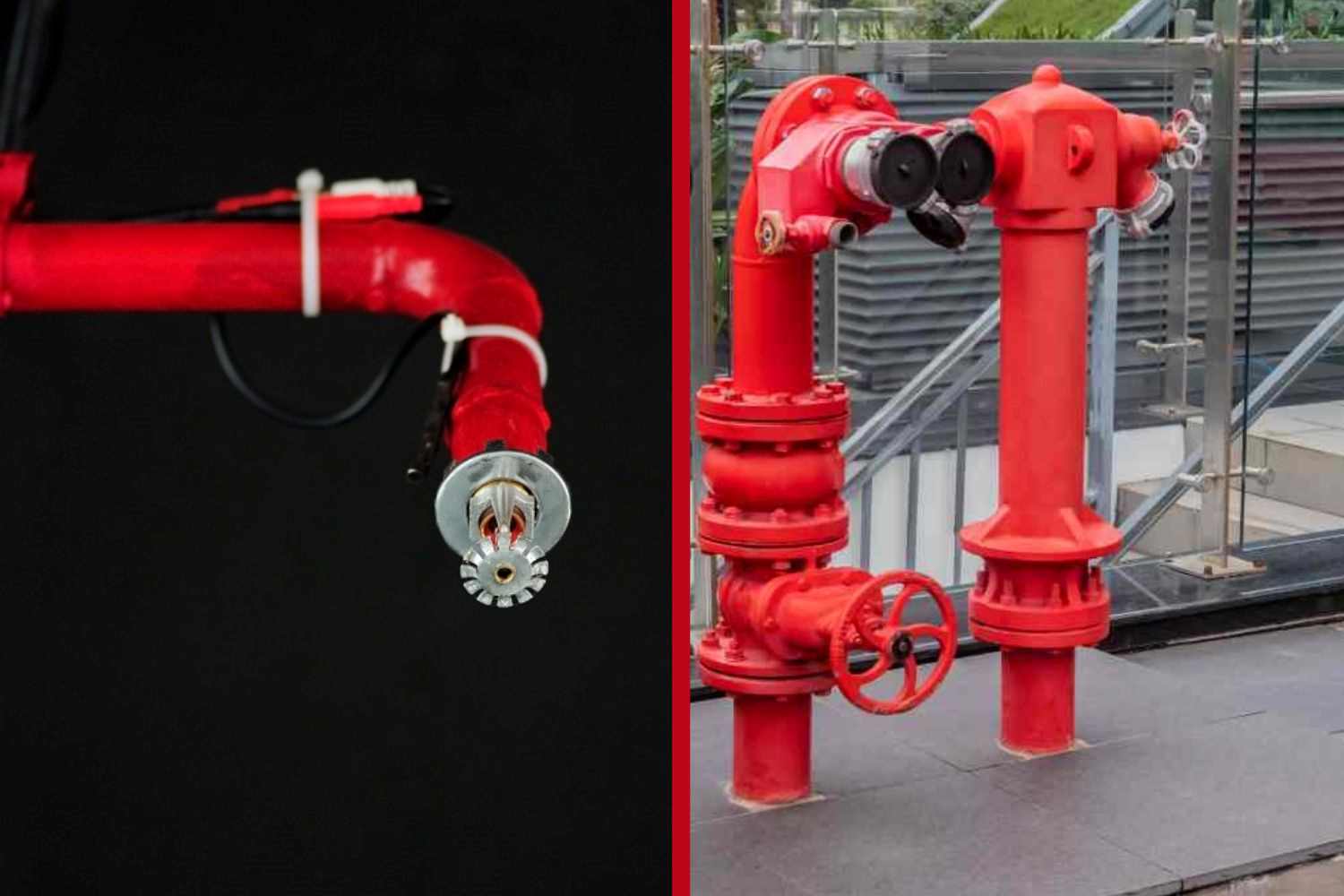
Fire can destroy a building in minutes. That’s why every home, office, factory, and warehouse needs a good fire protection system. But here’s the problem: many people get confused between a fire hydrant system and a fire sprinkler system. They think both are the same thing. They are not.
Choosing the wrong system, or installing only one when you need both, can put lives and property at serious risk. In this blog, we will break down Fire Hydrant vs. sprinkler systems in simple words so that you can make the right choice for your building.
What Is a Fire Protection System?
A fire protection system is a network of equipment designed to detect, control, or put out fire. It usually includes pipes, water tanks, pumps, valves, and outlets. The goal is simple: stop small fires from turning into big disasters.
There are many types of fire protection systems, but two of the most common are:
- Fire Hydrant System
- Fire Sprinkler System
Both use water to fight fire. But they work very differently, and they are built for different situations.
What Is a Fire Hydrant System?
A fire hydrant system is like a large water supply point connected to pipes running through a building or area. It has hydrant valves fitted at different points, usually near staircases, corridors, or outside the building. Firefighters connect their hoses to these valves and spray water directly at the fire.
How It Works
- Water is stored in a tank or supplied from a main water source.
- A powerful pump pushes water through pipes at high pressure.
- Firefighters or trained staff connect a hose to the hydrant valve.
- Water is sprayed manually where the fire is burning.
Where It Is Used
Fire hydrants are common in:
- Large factories and warehouses
- Shopping malls
- High-rise buildings
- Outdoor areas, streets, and industrial zones
Key Point to Remember
A fire hydrant system needs manual action. Someone has to notice the fire, run to the hydrant, connect the hose, and start spraying water. It is powerful, but it depends on people being present and trained.
What Is a Fire Sprinkler System?
A fire sprinkler system is completely automatic. It has small sprinkler heads fitted on the ceiling throughout a building. Each sprinkler head has a heat-sensitive part that reacts when the temperature rises above a certain point, usually because of fire.
How It Works
- Pipes filled with water run above the ceiling, connected to sprinkler heads.
- When heat from a fire touches a sprinkler head, it triggers automatically.
- Only the sprinklers near the fire activate, not the whole system.
- Water sprays down directly onto the fire, often stopping it before it spreads.
Where It Is Used
Sprinkler systems are ideal for:
- Offices
- Hotels
- Hospitals
- Residential buildings
- Retail stores and showrooms
Key Point to Remember
A sprinkler system does not need a person to act. It responds on its own, within seconds, which can be the difference between a small fire and a massive one.
Fire Hydrant vs Sprinkler: The Real Difference
Let’s compare both systems side by side in easy terms.
Activation Fire hydrant needs manual operation. Fire sprinkler activates automatically with heat.
Speed of Response Fire hydrant depends on how fast a person reacts. Fire sprinkler responds within seconds of detecting heat.
Coverage Fire hydrant sprays water at one specific spot where the hose is aimed. Fire sprinkler covers the ceiling area and reacts only where the fire is.
Best Suited For Fire hydrant works best for large fires and open or industrial areas. Fire sprinkler works best for early-stage fires in enclosed spaces like rooms and offices.
Water Pressure Fire hydrant uses high pressure water for long-distance spray. Fire sprinkler uses moderate pressure for direct, local application.
Dependency Fire hydrant depends on trained staff or firefighters. Fire sprinkler works independently, even if no one is around.
Why Choosing the Right System Matters
Many building owners make a costly mistake. They install only a hydrant system, thinking it is enough. Or they install sprinklers alone, believing they don’t need hydrants. Both choices can backfire.
Here’s why:
A hydrant alone is not enough because a fire can grow large before anyone notices it or reaches the hydrant point. Precious minutes are lost, and those minutes matter most in a fire emergency.
A sprinkler alone is not enough for big industrial fires, chemical fires, or fires that spread beyond a sprinkler’s reach. Firefighters still need hydrants to control large-scale fires from outside or in bigger open areas.
The safest approach is having both systems together, working as a team. Sprinklers catch the fire early, while hydrants give firefighters the power to handle bigger emergencies.
How to Decide What Your Building Needs
Choosing between fire hydrant and sprinkler systems, or deciding to install both, depends on a few factors:
- Size of the building: Larger buildings usually need both systems for full coverage.
- Type of activity: Factories with flammable materials need stronger hydrant systems. Offices and homes benefit more from sprinklers.
- Local fire safety codes: Many cities have rules requiring specific systems based on building size and use.
- Occupancy: Buildings with many people, like hospitals or malls, need fast automatic response, meaning sprinklers are a must.
- Budget and maintenance: Both systems need regular checkups, but sprinkler systems often require more frequent testing since they are automatic.
This is exactly why working with fire protection experts matters. A professional team can study your building and recommend the right combination of systems, pipe sizing, water storage, and equipment placement.
Talk to the Experts at Elixir Engineering
This is where Elixir Engineering comes in. With years of hands-on experience in installing fire protection systems, Elixir Engineering helps building owners, factories, and businesses choose the right combination of fire hydrants and sprinklers, not just one or the other.
Here’s what makes Elixir Engineering a trusted choice:
- Expert assessment: The team studies your building’s size, layout, and risk factors before recommending any system.
- Custom design: No copy-paste solutions. Every fire protection plan is built around your specific space and industry.
- Code-compliant installation: All systems are designed to meet local fire safety codes and standards, so you stay protected and compliant.
- End-to-end service: From planning and installation to testing and ongoing maintenance, Elixir Engineering handles it all.
- Reliable support: Fire safety isn’t a one-time job. The team offers regular inspections and upkeep to keep your system ready at all times.
Whether you need a fresh installation, an upgrade to your existing setup, or just expert advice on what your building actually needs, Elixir Engineering is ready to help.
Frequently Asked Questions
Q1: Can I install just a sprinkler system and skip the fire hydrant?
It depends on your building type. Small offices or homes might manage with sprinklers alone, but larger buildings, factories, and commercial spaces usually need hydrants too, especially for fire department access during bigger emergencies.
Q2: Do sprinklers cause water damage even if there’s no big fire?
Not really. Sprinkler heads only activate when heat reaches a specific level near that particular head. Only the sprinklers close to the fire go off, not the entire system, so damage is usually limited to the affected area.
Q3: How often should a fire hydrant system be checked?
Fire hydrant systems should be inspected regularly, ideally every few months, to check water pressure, pump function, and hose connections. Regular testing ensures the system works when you need it most.
Q4: Is a fire sprinkler system expensive to maintain?
Sprinkler systems do need routine maintenance, but the cost is generally manageable compared to the protection and safety they provide. Skipping maintenance is far riskier than the maintenance cost itself.
Q5: Which system reacts faster to fire, hydrant or sprinkler?
Sprinklers react faster since they are automatic and triggered by heat within seconds. Hydrants depend on a person noticing the fire and manually operating the hose, which naturally takes more time.
Q6: Who can help design the right fire protection system for my building?
A qualified fire protection engineering team can assess your building’s size, layout, and risk level to recommend the right mix of hydrants, sprinklers, and other safety equipment tailored to your needs.