
Why Fire Risk Assessment Is Essential for Every Building?
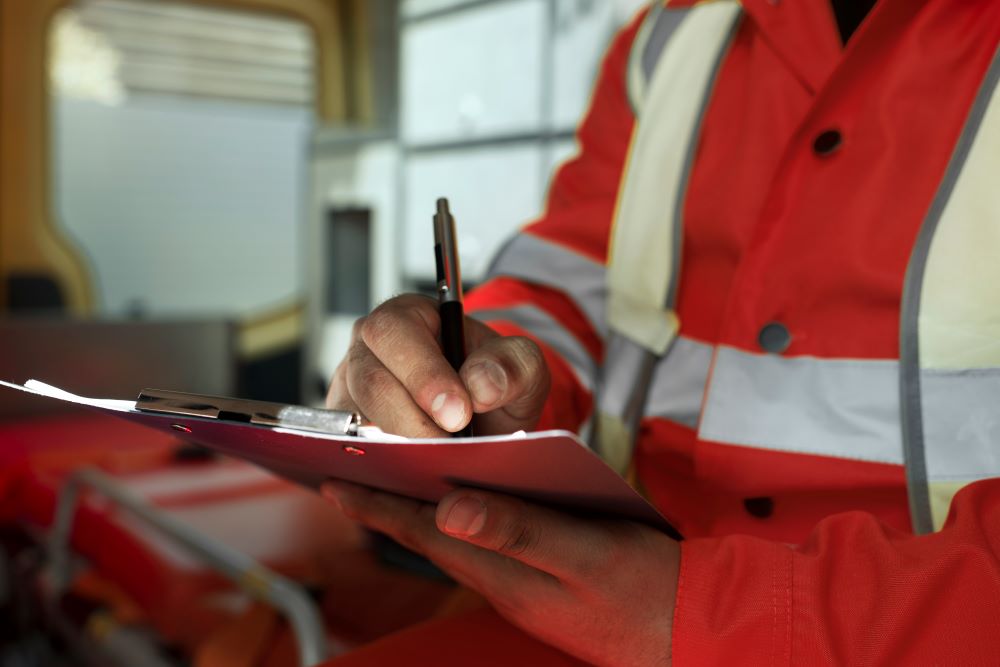
Fire safety is no longer optional it is a critical responsibility for every building owner, employer, and facility manager. From residential apartments to large industrial units, the risk of fire exists everywhere. Electrical faults, human error, poor maintenance, and non-compliance with safety norms are common causes of fire incidents. This is why a Fire Risk Assessment plays a vital role in preventing disasters before they occur.
A well-executed fire risk assessment not only safeguards lives and property but also ensures legal compliance and long-term operational safety. In this article, we explain what fire risk assessment is, why it is essential for every building, how it differs from a fire audit, and why professional expertise matters.
Understanding Fire Risk Assessment
A Fire Risk Assessment is a structured process that identifies fire hazards, evaluates the level of risk, and determines whether existing fire safety measures are adequate. It focuses on prevention, protection, and preparedness.
The assessment answers three critical questions:
- What could cause a fire?
- Who would be affected if a fire occurred?
- Are existing safety measures sufficient to control the risk?
The findings are documented, and practical recommendations are provided to reduce the likelihood of fire and minimize its impact.
Why Fire Risk Assessment is Essential Once a Year
1. Life Safety Comes First
The primary objective of a fire risk assessment is to protect human life. Fires spread rapidly, producing smoke and toxic gases that often cause more harm than flames. Without proper detection systems, emergency exits, and evacuation plans, occupants may not escape in time.
A detailed fire risk assessment ensures:
- Clearly defined and accessible escape routes
- Functional fire alarm and detection systems
- Proper emergency lighting and signage
- Special consideration for children, elderly, and disabled occupants
By identifying gaps in advance, the assessment significantly reduces the risk of injuries and fatalities.
2. Prevents Costly Property Damage
Fire-related damage goes far beyond structural loss. Businesses often suffer from destroyed inventory, damaged machinery, and loss of critical documents. In many cases, operations come to a complete halt for months.
A fire risk assessment helps:
- Identify high-risk zones within the building
- Recommend fire-resistant construction and compartmentation
- Improve storage practices for flammable materials
- Reduce downtime and recovery costs
Preventive planning is always more economical than post-fire restoration.
3. Ensures Compliance With Fire Safety Regulations
Fire safety regulations in India are governed by the National Building Code (NBC), state fire acts, and local fire authority guidelines. Non-compliance can result in severe consequences such as penalties, rejection of occupancy certificates, or even business shutdowns.
A professional fire risk assessment ensures:
- Compliance with statutory fire safety requirements
- Proper documentation for inspections and approvals
- Reduced risk of legal disputes and penalties
It also strengthens your position during insurance claims and regulatory audits.
4. Enhances Emergency Preparedness
In an emergency, confusion can be as dangerous as the fire itself. A fire risk assessment evaluates not only physical safety systems but also emergency preparedness.
It reviews:
- Emergency response procedures
- Fire drill effectiveness
- Staff awareness and training levels
- Accessibility and usability of firefighting equipment
Well-prepared occupants respond faster and more effectively, minimizing panic and damage.
5. Identifies Risks That Are Often Overlooked
Many fire hazards are hidden and develop over time. These include overloaded electrical systems, poor cable management, blocked exits, or changes in building usage without safety upgrades.
Trained professionals conducting a fire risk assessment can detect such issues early and recommend corrective actions before they escalate into serious threats.
Fire Risk Assessment and Fire Audit: How They Work Together
Although often used interchangeably, fire risk assessment and fire audit serve different purposes.
A fire risk assessment is preventive and analytical. It focuses on identifying potential fire hazards, evaluating risk levels, and planning mitigation strategies.
A fire audit, on the other hand, is compliance-oriented. It verifies whether installed fire safety systems such as alarms, hydrants, sprinklers, and extinguishers meet regulatory standards and are functioning properly.
In simple terms:
- Fire risk assessment answers “What could go wrong and how do we prevent it?”
- Fire audit answers “Are we meeting fire safety rules and standards?”
For complete fire safety management, both are equally important.
Buildings That Require Fire Risk Assessment
Fire risk assessment is essential for all occupied buildings, including:
- Residential societies and high-rise apartments
- Industrial plants and manufacturing units
- Corporate offices and IT parks
- Hospitals, clinics, and nursing homes
- Hotels, malls, and entertainment complexes
- Educational institutions
- Warehouses and logistics facilities
Each building has unique risks, making customized assessment essential rather than a one-size-fits-all approach.
Key Elements of a Comprehensive Fire Risk Assessment
A professional fire risk assessment typically covers:
Fire Hazard Identification
- Electrical installations
- Heating and cooking equipment
- Flammable liquids and gases
- Hot work activities
People at Risk
- Employees, residents, and visitors
- Night-shift workers
- Individuals with limited mobility
Evaluation of Existing Fire Safety Measures
- Fire detection and alarm systems
- Firefighting equipment
- Escape routes and staircases
- Smoke control systems
Risk Evaluation
- Probability of fire occurrence
- Severity of potential consequences
Actionable Recommendations
- Engineering controls
- Administrative measures
- Maintenance schedules
- Training and awareness programs
Why Professional Expertise Matters
Fire safety is a technical discipline requiring knowledge of regulations, building design, and fire behavior. A professionally conducted fire risk assessment ensures accuracy, compliance, and practicality.
Experienced auditors help prioritize risks based on severity and cost-effectiveness, ensuring maximum safety within realistic budgets.
Why Choose Elixir Engineering?
Elixir Engineering is a trusted provider of fire risk assessment and fire audit services in Mumbai and Pune. Their expert team delivers comprehensive fire safety solutions tailored to diverse building types.
Key advantages include:
- Qualified and experienced fire safety auditors
- NBC and local authority compliance
- Detailed, easy-to-understand assessment reports
- Practical recommendations for risk reduction
- End-to-end fire safety consultancy
How Often Should Fire Risk Assessment Be Reviewed?
A fire risk assessment should be reviewed:
- Annually
- After building modifications or renovations
- When occupancy or usage changes
- Following any fire incident or near-miss
Regular updates ensure continued effectiveness and compliance.
Frequently Asked Questions
It helps identify potential fire hazards, reduce risks, and protect occupants, property, and business continuity.
Yes, it is required under Indian fire safety regulations, especially for commercial and public buildings.
A fire audit verifies compliance with fire safety standards and checks whether fire protection systems are installed and maintained correctly.
Certified fire safety professionals with regulatory and technical expertise should conduct it.
Yes, it demonstrates proactive risk management and can support insurance approvals and claims.
It depends on building size and complexity, ranging from a few hours to several days.