
Who is responsible for fire safety, the builder, the society or the occupants?
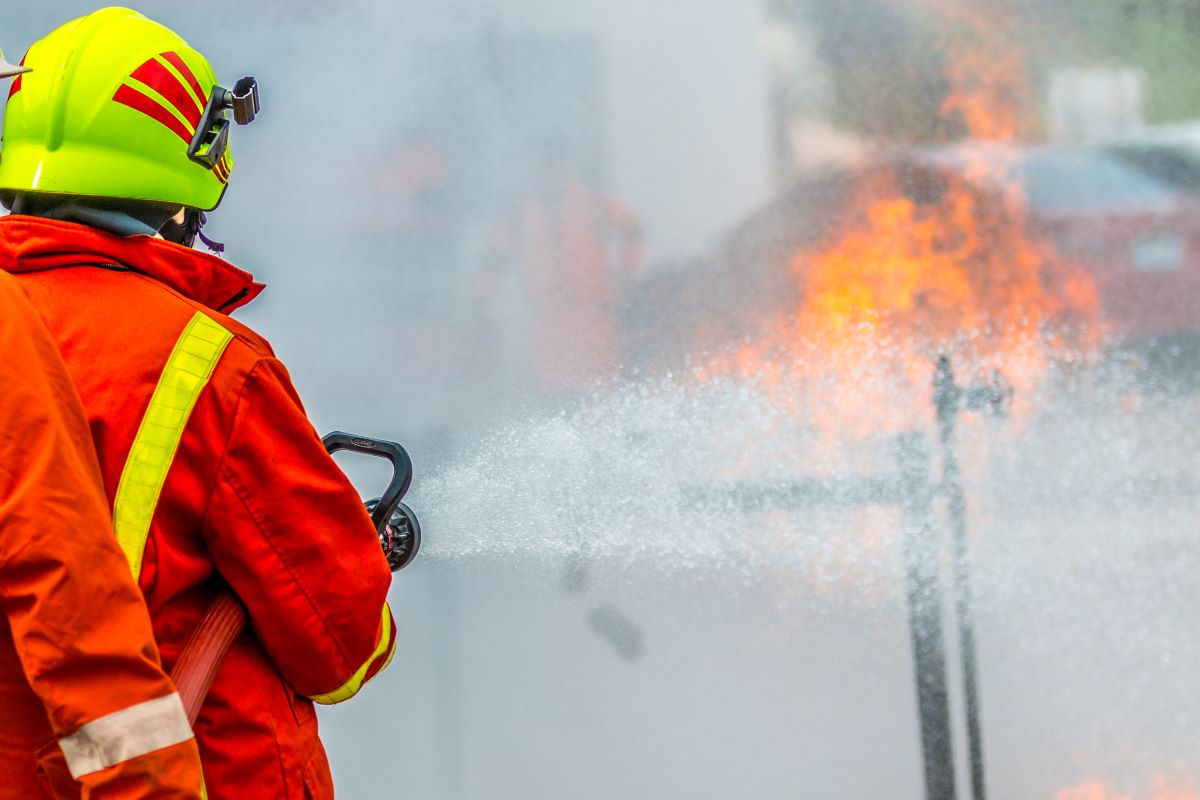
In Maharashtra, fire safety responsibility is shared, but it shifts over time. The builder (as owner) is responsible while the building is being constructed and until handover. After handover, the housing society or building owner is responsible for maintaining the fire systems and submitting the six-monthly Form B through a licensed agency. Individual flat owners and occupants are responsible for fire safety inside their own premises and for not obstructing or tampering with common fire safety measures.
Under the Maharashtra Fire Prevention and Life Safety Measures Act, 2006, the duty to provide and maintain fire prevention and life safety measures falls on the owner, or on the occupier where the owner is not traceable. The Act’s definition of “occupier” includes a member of a co-operative housing society and an apartment owner. That is why, in practice, societies and residents cannot simply point to the builder once a building is occupied.
Why This Question Matters in Mumbai and Pune
Mumbai and Pune have thousands of high-rise residential towers, many of them more than 20 years old. In these buildings, hydrant pumps go untested, sprinkler lines corrode, fire alarm panels show faults for months and staircases get used as storage. When something goes wrong, the first question is always the same: whose job was it?
Understanding who is responsible protects three things: lives, your legal position and your insurance claim. It also avoids the common society-meeting argument where the committee blames the builder, the builder blames the committee and residents blame both.
The Legal Foundation: Maharashtra Fire Prevention and Life Safety Measures Act, 2006
Three ideas from the Act explain most of the confusion:
- Owner first, occupier next. Section 3 puts the duty to provide and maintain fire prevention and life safety measures on the owner, or the occupier where the owner cannot be traced.
- “Occupier” is a wide term. It includes an owner who occupies or uses the building, and a member of a co-operative housing society or an apartment owner.
- Maintenance is continuous. The measures must be kept in good repair and efficient condition at all times, not only on the day of inspection.
The Act also requires a six-monthly certificate (Form B), issued by a licensed agency in January and July, confirming that the systems were inspected and maintained. Recent amendments to the Rules have also introduced updated forms (A-1 and B-1) and allow online submission to the Chief Fire Officer. Always check the current rules or ask your licensed agency which form applies to your building.
Who Is Responsible? A Stage-by-Stage Breakdown
1. The Builder or Developer: Design, Installation and Handover
Until the building is completed and handed over, the builder is the owner, and the responsibility is theirs. This includes:
- Designing fire safety systems as per the approved plan and the National Building Code (NBC) and local rules.
- Installing the hydrant system, sprinklers, fire detection and alarm, fire extinguishers, escape routes and signage.
- Obtaining the fire NOC and completing the installation certification (Form A) through a licensed agency.
- Handing over working systems, drawings, test records and operating instructions to the society.
What the builder is not automatically responsible for: day-to-day maintenance after handover. If systems were defective at handover, the society can raise the issue with the developer, but a society that ignores a known defect for years will struggle to shift the blame.
Planning a new installation or fixing missing systems? See our Fire Protection System services, Fire Hydrant System Installation and Fire Sprinkler System Installation.
2. The Housing Society or Building Owner: Maintenance and Compliance
Once the building is handed over, the society (through its managing committee) is the practical custodian of the common fire safety systems. Its duties include:
- Keeping hydrant pumps, sprinklers, alarms, extinguishers, refuge areas and fire lifts working.
- Appointing a licensed fire agency for periodic inspection and maintenance.
- Getting and submitting Form B in January and July every year.
- Keeping staircases, passages and terrace exits clear and unlocked.
- Budgeting for maintenance and repairs through the society’s funds.
- Getting repairs done promptly when the auditor lists deficiencies.
- Holding fire drills and training security staff and residents.
This is the area where most Mumbai societies run into trouble. A common scenario: the audit report lists deficiencies, the committee defers the repair because of cost, and the Form B cannot be issued cleanly.
Read how we handled this in real buildings: Dysfunctional hydrant system restored in a Goregaon residential tower, Missing sprinkler system installed in a Santacruz high-rise and Rundown fire system restored in a 35-floor Dadar high-rise.
3. Flat Owners and Occupants: Personal and Shared Duty
Residents are not passive. Because the Act treats apartment owners as occupiers, each resident carries a share of the duty. In daily life this means:
- Do not block common corridors, staircases or fire exits with shoes, cycles, pots or storage.
- Do not tamper with fire extinguishers, hose reels, alarm points or sprinkler heads.
- Do not modify flats in ways that interfere with sprinklers or detectors (for example, painting over heads or covering detectors).
- Keep electrical loads reasonable and use certified wiring and appliances.
- Allow access for inspection and maintenance inside flats where fire systems are installed.
- Participate in fire drills and know your nearest exit.
4. Commercial Tenants, Business Owners and Facility Managers
In offices, malls and industrial units, the owner may lease the premises, but the tenant using them is also an occupier. Lease agreements should state who maintains the fire systems and who submits Form B. If they don’t, the confusion usually surfaces during an inspection or after an incident.
See also: Fire Safety Guidelines for Commercial Buildings in Mumbai, Fire Safety in Offices: Common Risks and How to Prevent Them and Fire Safety Requirements for Industry in India.
5. The Licensed Fire Agency: Certifier, Not Substitute
A licensed agency inspects, tests and certifies the systems. It issues Form B based on actual condition. It does not take over the legal responsibility of the owner or occupier. If the committee ignores the repair list, the agency cannot honestly certify the systems as compliant.
At Elixir (Vaccifire), our auditors are licensed and authorised for Form A and Form B work. See our Fire Safety Auditor services in Mumbai and Pune.
Responsibility at a Glance
| Stakeholder | Main responsibility | Typical document or action |
| Builder / developer | Design, install and hand over compliant systems | Fire NOC, Form A, handover records |
| Housing society / building owner | Maintain systems and submit periodic compliance | Form B (January and July), AMC, repairs |
| Flat owners / occupants | Do not obstruct or tamper; cooperate with inspections | Clear exits, attend drills |
| Commercial tenants | Safe use of premises; follow lease obligations | Maintenance clauses, Form B coordination |
| Licensed fire agency | Inspect, test and certify honestly | Audit report, Form B certificate |
What Happens If No One Takes Responsibility?
When fire safety is neglected, the consequences land on several people at once:
- Safety: Non-working hydrants, blocked exits and dead alarms turn a small fire into a disaster.
- Legal action: The fire authority can issue notices, and non-compliance can lead to action under the Act. The exact penalties and procedure should be confirmed with the authority or your legal advisor.
- Insurance: An insurer may question a claim where basic safety obligations were ignored.
- Reputation and value: Buildings with a compliance record are easier to sell, lease and finance.
For a practical guide to avoiding problems during inspections, read How to Avoid Fire Safety Penalties During Government Inspections and our note on the fire audit deadline.
A Practical 8-Step Plan for Housing Societies
- Appoint a fire safety officer or committee member to coordinate everything.
- Hire a licensed fire agency and sign a clear maintenance contract. See our Fire AMC Services.
- Get a fire audit of all systems and escape routes.
- Fix deficiencies in priority order: life-critical first (pumps, alarms, exits), then the rest. See Fire System Repairs and Upgradation.
- Submit Form B in January and July with the required documents.
- Keep records: test logs, service reports, certificates and meeting minutes.
- Run a drill at least once a year and brief security staff.
- Use technology to avoid gaps. Our FireApp by Vaccifire uses QR codes on equipment so committee members can check inspection status from anywhere, and Vigilfire supports remote monitoring of fire systems.
If you are unsure which system your building needs, this guide helps: Fire Hydrant vs Sprinkler Explained. For equipment-level upkeep, see Expert Fire Equipment Servicing.
Frequently Asked Questions
Under the Maharashtra Fire Prevention and Life Safety Measures Act, 2006, the owner, or the occupier where the owner is not traceable, must provide and maintain fire prevention and life safety measures. After handover, the housing society acts as the custodian of common systems, while individual flat owners are also treated as occupiers.
The builder is responsible for installing compliant systems and handing them over in working condition. After handover, ongoing maintenance and Form B submission pass to the society or building owner. If systems were defective or missing at handover, the society can raise the matter with the builder, ideally supported by a licensed auditor’s report and early written notice.
Form B is the six-monthly certificate, issued by a licensed fire agency, confirming that fire prevention and life safety measures were inspected and maintained in good condition. It is due in January and July. The owner or occupier (typically the society or building management) submits it to the fire authority. Check current rules, as updated forms (A-1 and B-1) and online submission options were introduced by amendment.
Yes, in part. Apartment owners fall within the Act’s definition of occupier. In practice, they must keep exits clear, avoid tampering with fire equipment, maintain safe electrical use in their flats and cooperate with inspections and drills.
The cost is normally met from the society’s maintenance funds, as decided by the managing committee and general body. A licensed agency can provide an estimate through an AMC and a prioritised repair plan.
Liability depends on the facts, the law and the court. Committees that ignore audit findings, delay Form B or leave known defects unrepaired are in a weaker position. For a specific situation, take legal advice.
Often yes. Both owners and tenants using premises can be treated as occupiers. The lease should clearly state who maintains the fire systems and who coordinates Form B.